

More Than a Shot: What the Visit Actually Covers
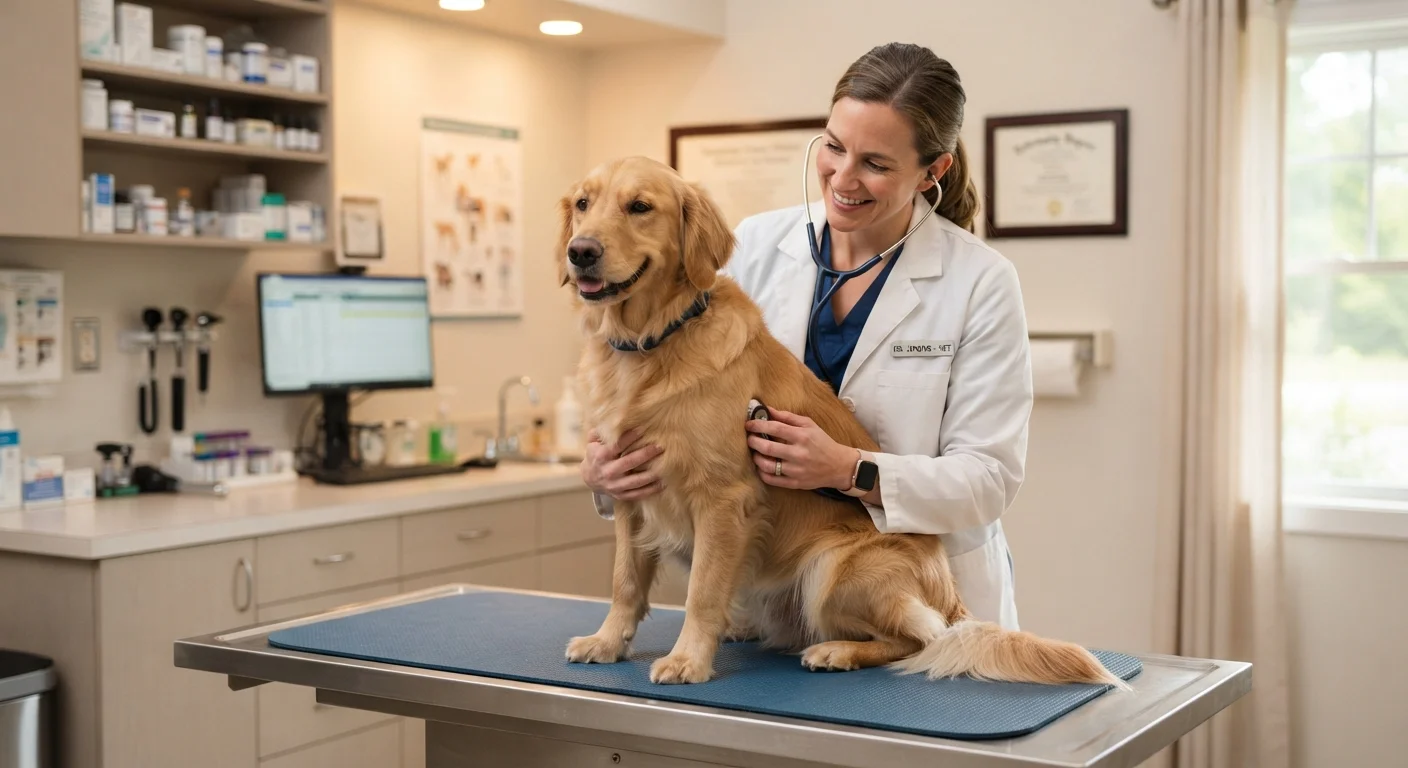
Many pet owners associate annual vet visits primarily with vaccinations — show up, get the shots, leave. In reality, vaccines often take only a few minutes of a wellness appointment. The larger portion of the exam involves a systematic, head-to-tail physical assessment that most owners aren't watching closely enough to replicate at home.
A typical annual exam includes evaluation of the eyes for clarity and discharge, the ears for infection or mite activity, the mouth for tartar buildup, gum color, and early tooth decay, the skin and coat for parasites or lesions, the heart and lungs via stethoscope, the abdomen via palpation to assess organ size and detect unusual masses, and the lymph nodes for swelling. Musculoskeletal movement and neurological reflexes are also observed — particularly important as pets age.
For a detailed breakdown of each component, see our walkthrough of what veterinarians check during a routine exam.
1 in 3
Pets with detectable illness showing no symptoms
The American Veterinary Medical Association has noted that many pets mask signs of illness, making physical examination critical for early detection.
70%
Pets over age three with some dental disease
The American Veterinary Dental College estimates that the majority of dogs and cats show signs of periodontal disease by age three, much of which goes unnoticed without professional examination.
2x
Recommended exam frequency for senior pets
Most veterinary organizations recommend semi-annual wellness exams for older pets, reflecting the accelerated pace of age-related health changes in dogs and cats.
The Screening Value of Consistency
A single exam gives your vet a snapshot. A series of annual exams gives them a trend line — and trends are where early detection lives. A dog whose weight has crept up 8% over two years, or a cat whose kidney values have shifted slightly upward on bloodwork, may appear perfectly normal in isolation. Tracked over time, these patterns prompt earlier intervention.
This is why vets often recommend baseline bloodwork, urinalysis, or fecal testing even for pets that appear healthy. Establishing what's normal for your pet makes future deviations easier to recognize and act on. The preventive versus reactive care distinction is particularly clear here: identifying a metabolic shift before symptoms appear is significantly less disruptive — and often less costly — than treating an advanced condition.
“The physical examination is the cornerstone of veterinary medicine. It allows us to assess every organ system and establish a baseline that makes changes over time meaningful.”
— American Animal Hospital Association, Veterinary accreditation and standards organization
What Owners Should Bring — and Say
The exam is a two-way conversation, and owners who arrive prepared tend to get far more from it. Before your appointment, take stock of any changes you've noticed, however minor they seem: shifts in appetite or water intake, changes in bathroom habits, new lumps or bumps, behavioral differences, or reduced activity tolerance. Vets rely heavily on owner observation because pets can't self-report.
Bring any current medications or supplements your pet takes, including flea and tick preventives. If you're visiting a new practice, carry prior vaccination and medical records. A fresh stool sample, collected within 24 hours, may be requested for parasite screening — confirm with your clinic beforehand.
Write It Down Before You Go
Keep a simple running note on your phone throughout the year whenever you notice something unusual about your pet — a change in sleep patterns, a new lump, or a shift in appetite. Even if each observation seems minor, sharing the full list at your annual exam gives your veterinarian much richer context to work with than trying to recall details on the spot.
Pair your annual visit with the preventive care calendar every pet owner should know to stay ahead of scheduled screenings, boosters, and seasonal parasite prevention milestones throughout the year.
When Annual Isn't Enough
The once-per-year guideline applies primarily to healthy adult pets in their middle years. Puppies and kittens require multiple visits in their first year alone — for vaccine series, deworming, and developmental monitoring. Senior pets, generally defined as dogs over seven and cats over ten, benefit from semi-annual exams because age-related conditions — arthritis, thyroid dysfunction, kidney disease, dental deterioration — can progress quickly between annual checkpoints.
Pets with diagnosed chronic conditions such as diabetes, epilepsy, or heart disease will have individualized visit schedules set by their veterinarian. These are not optional; they're integral to managing the condition safely.
Between scheduled appointments, routine home health checks can help you monitor eyes, ears, coat, gums, and weight — and know what changes warrant a call to your vet before the next scheduled visit. If your pet tends to be anxious at the clinic, see our guidance on preparing your pet for a vet visit without the stress to make the experience easier for both of you.
This article is for general informational purposes only and is not a substitute for professional veterinary advice. Always consult a licensed veterinarian for guidance specific to your pet's health and medical history.
Frequently Asked Questions
A veterinarian performs a systematic physical examination covering the eyes, ears, mouth and teeth, skin and coat, heart, lungs, abdomen, lymph nodes, musculoskeletal structure, and neurological reflexes. They also review vaccination status, parasite prevention, diet, and any behavioral or lifestyle changes. See our <a href="/pets-animals/pet-care-basics/what-veterinarians-actually-check-during-a-routine-exam">detailed walkthrough of what vets check</a> for a step-by-step breakdown.
Most healthy adult dogs and cats benefit from one wellness exam per year. Puppies, kittens, and senior pets typically need more frequent visits — sometimes every six months — because their health needs shift quickly. Your vet will recommend a schedule based on your pet's age, breed, and medical history.
Yes. Vaccines are just one component of a wellness visit. The physical examination, weight assessment, dental check, and screening conversations often uncover issues that vaccinations alone would never reveal. Catching a heart murmur, early dental disease, or weight creep early requires hands-on evaluation.
Bring any previous medical records if you're visiting a new practice, a fresh stool sample if your vet requests one, a list of all medications or supplements your pet takes, and notes on any behavioral or physical changes you've noticed. The more context you provide, the more productive the exam will be.
No. Virtual consultations are useful for triage, minor concerns, and follow-up questions, but they cannot replicate the hands-on physical assessment that in-person exams provide. Listening to heart and lung sounds, palpating the abdomen, and evaluating lymph nodes all require physical presence. For more, see our <a href="/pets-animals/pet-health-wellness/vet-telehealth-for-pets-what-it-can-and-cannot-replace">honest look at what telehealth can and cannot replace</a>.
Missing a year isn't a crisis, but it creates a gap during which early-stage conditions can progress undetected. Dental disease, weight changes, heartworm exposure, and internal organ issues often develop gradually without obvious symptoms — making regular monitoring the most reliable way to catch them early.
The content provided on our blog site traverses numerous categories, offering readers valuable and practical information. Readers can use the editorial team’s research and data to gain more insights into their topics of interest. However, they are requested not to treat the articles as conclusive. The website team cannot be held responsible for differences in data or inaccuracies found across other platforms. Please also note that the site might also miss out on various schemes and offers available that the readers may find more beneficial than the ones we cover.