

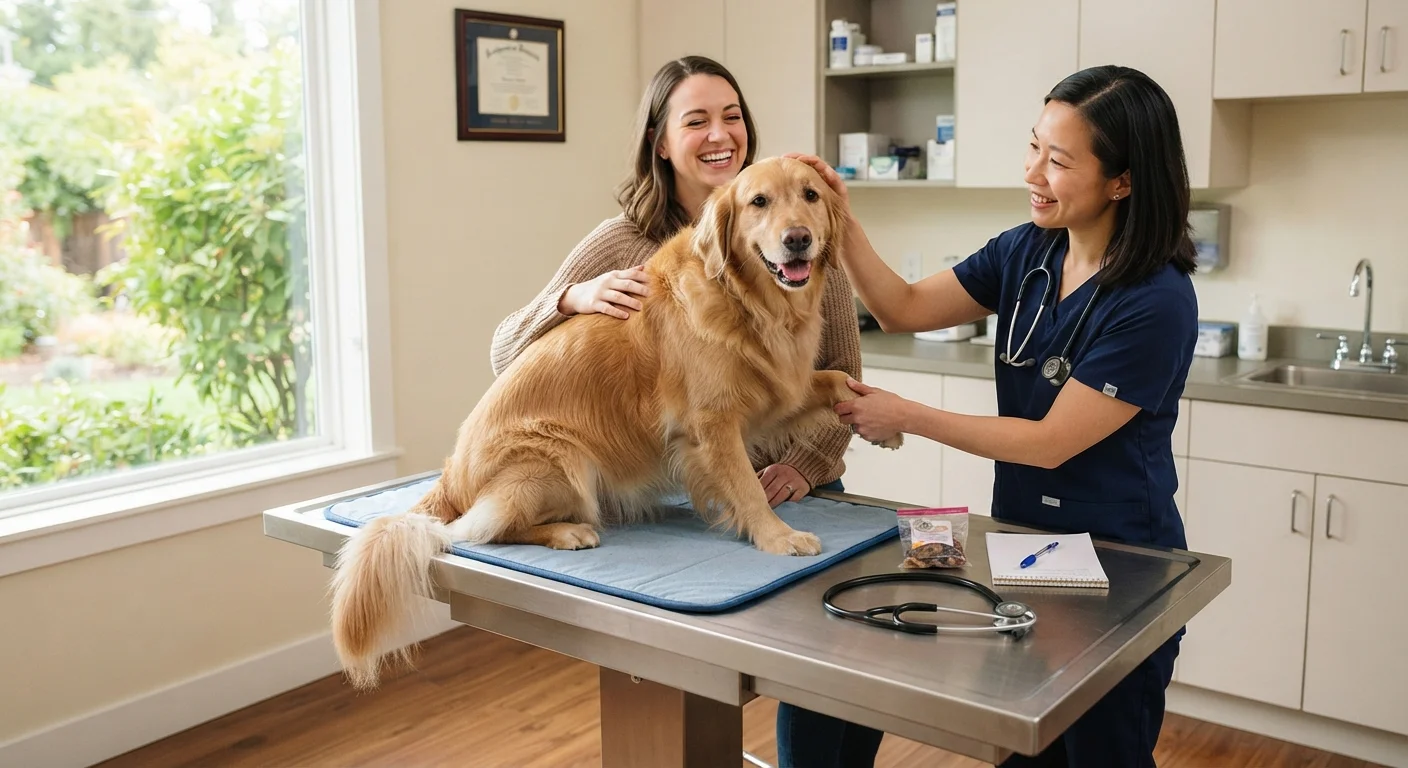
Option A
Preventive Care
The proactive, ongoing approach to maintaining pet health.
Best for: Owners who want to catch problems early, reduce long-term costs, and build a consistent health baseline for their pet.
Option B
Reactive Care
The responsive approach to addressing health problems as they emerge.
Best for: Situations where a pet presents with sudden illness, injury, or a condition that requires immediate diagnosis and treatment.
Defining the Two Approaches
Preventive care encompasses everything done to maintain health before problems arise: annual or semi-annual wellness exams, vaccinations, parasite prevention, dental cleanings, nutritional guidance, and routine bloodwork. The goal is to establish a health baseline and catch deviations early. See what veterinarians actually check during a routine exam for a detailed look at what these visits involve.
Reactive care, by contrast, is treatment-driven. It begins when an animal shows observable signs of illness, discomfort, or injury. A visit prompted by vomiting, limping, or behavioral changes is reactive — the health concern has already emerged, and the goal shifts to diagnosis and resolution.
It is important to understand that reactive care is not negligent. Even pets receiving excellent preventive care will need reactive treatment at some point. The distinction matters because the two approaches serve different purposes and call for different mindsets from pet owners.
| Criterion | Preventive Care | Reactive Care |
|---|---|---|
| Primary goal | Maintain health, detect issues early | Diagnose and treat existing illness or injury |
| Timing | Scheduled, ongoing regardless of symptoms | Triggered by observable health changes |
| Typical services | Exams, vaccines, parasite prevention, bloodwork | Diagnostics, medications, surgery, specialist referrals |
| Owner role | Schedule and maintain regular vet visits | Recognize symptoms and seek timely care |
| When most critical | All life stages, especially young and senior pets | Acute illness, injury, or worsening chronic conditions |
| Relationship to health baseline | Builds and tracks baseline over time | Departs from the established baseline |
What Preventive Care Actually Involves
Preventive care is more than annual shots. A well-structured preventive plan — designed in partnership with a veterinarian — typically includes:
- Regular physical exams: Veterinarians assess body condition, organ function, coat and skin health, and mobility trends over time.
- Vaccinations: Core vaccines protect against serious, preventable diseases. Your vet will tailor a schedule based on species, lifestyle, and regional risk.
- Parasite prevention: Year-round flea, tick, and heartworm prevention is widely recommended, particularly in warmer climates.
- Dental care: Oral disease is among the most commonly identified conditions in adult pets. Routine dental exams and cleanings reduce systemic health risks.
- Bloodwork and urinalysis: Baseline lab values help detect changes in organ function before clinical signs appear — particularly valuable for senior pets.
For a structured timeline, the preventive care calendar every pet owner should know outlines what to prioritize across the year.
Preventive Care Looks Different by Species
Dogs and cats have distinct vaccine schedules, parasite risks, and dental care needs. Rabbits, birds, and exotic pets have their own preventive care requirements that may not be well-served by a standard small animal approach. Always work with a veterinarian experienced with your specific type of pet to build an appropriate wellness plan.
The Role of Reactive Care
Reactive care is indispensable. No amount of preventive effort eliminates the possibility of acute illness, accidental injury, or the emergence of a genetic condition. When symptoms appear — lethargy, changes in eating or drinking, difficulty breathing, sudden lameness — prompt veterinary attention is critical.
The challenge with a purely reactive approach is that many conditions in animals progress significantly before outward signs become obvious. Kidney disease, dental pain, early arthritis, and certain cancers are well-documented examples of conditions that animals may not display clearly until they are moderately advanced. This is not a flaw in reactive care itself, but a biological reality that highlights why regular observation and wellness checks have value alongside treatment when needed.
Owners who understand both approaches are better positioned to recognize when something has changed — and to act quickly. Everyday habits that support a long, healthy pet life explores how consistent routines help owners notice deviations from their pet's normal behavior sooner.
1 in 3
Pets with hidden illness at annual exam
Veterinary industry data has broadly suggested that a significant proportion of pets brought in for routine wellness visits are found to have a previously undetected condition — underscoring the value of consistent checkups.
2x/year
Recommended senior pet exam frequency
Most veterinary professional organizations recommend that pets classified as senior — typically dogs and cats over age 7 — receive wellness exams twice annually rather than once.
How Life Stage Changes the Balance
The right emphasis between preventive and reactive care shifts as pets age. Puppies and kittens require intensive early preventive investment — a series of vaccines, parasite control, spay or neuter consultations, and socialization guidance. Your new pet's first year: a health and wellness roadmap covers this critical window in detail.
Adult pets in their prime years may seem to need less intervention, but this is often when preventive habits are most easily neglected — and when small issues quietly take root. Maintaining annual exams and parasite prevention during this phase preserves the health baseline established earlier.
Senior pets represent the highest-need preventive care population. Veterinary organizations generally recommend twice-yearly wellness exams for older animals, as age-related conditions can progress rapidly between annual visits. Keeping aging pets comfortable: wellness considerations for senior animals addresses the specific shifts in care that older dogs and cats require.
A Practical Framework for Pet Owners
Most veterinary professionals do not frame preventive and reactive care as competing philosophies — they are complementary. A practical approach integrates both:
- Establish a preventive baseline early and maintain it consistently across your pet's life stages.
- Know your pet's normal — eating patterns, energy levels, bathroom habits, coat condition. Changes are often the first signal that reactive care is warranted.
- Do not delay when symptoms appear. Reactive care is most effective when sought promptly.
- Partner with a veterinarian who can help you calibrate the right schedule for your individual pet's species, breed, age, and lifestyle.
Wellness habits that support a healthier pet across every life stage offers a curated look at what practices matter most from puppyhood through senior years.
This article provides general pet health education and is not a substitute for professional veterinary advice. Always consult a licensed veterinarian for guidance specific to your pet's health needs.
The content provided on our blog site traverses numerous categories, offering readers valuable and practical information. Readers can use the editorial team’s research and data to gain more insights into their topics of interest. However, they are requested not to treat the articles as conclusive. The website team cannot be held responsible for differences in data or inaccuracies found across other platforms. Please also note that the site might also miss out on various schemes and offers available that the readers may find more beneficial than the ones we cover.