

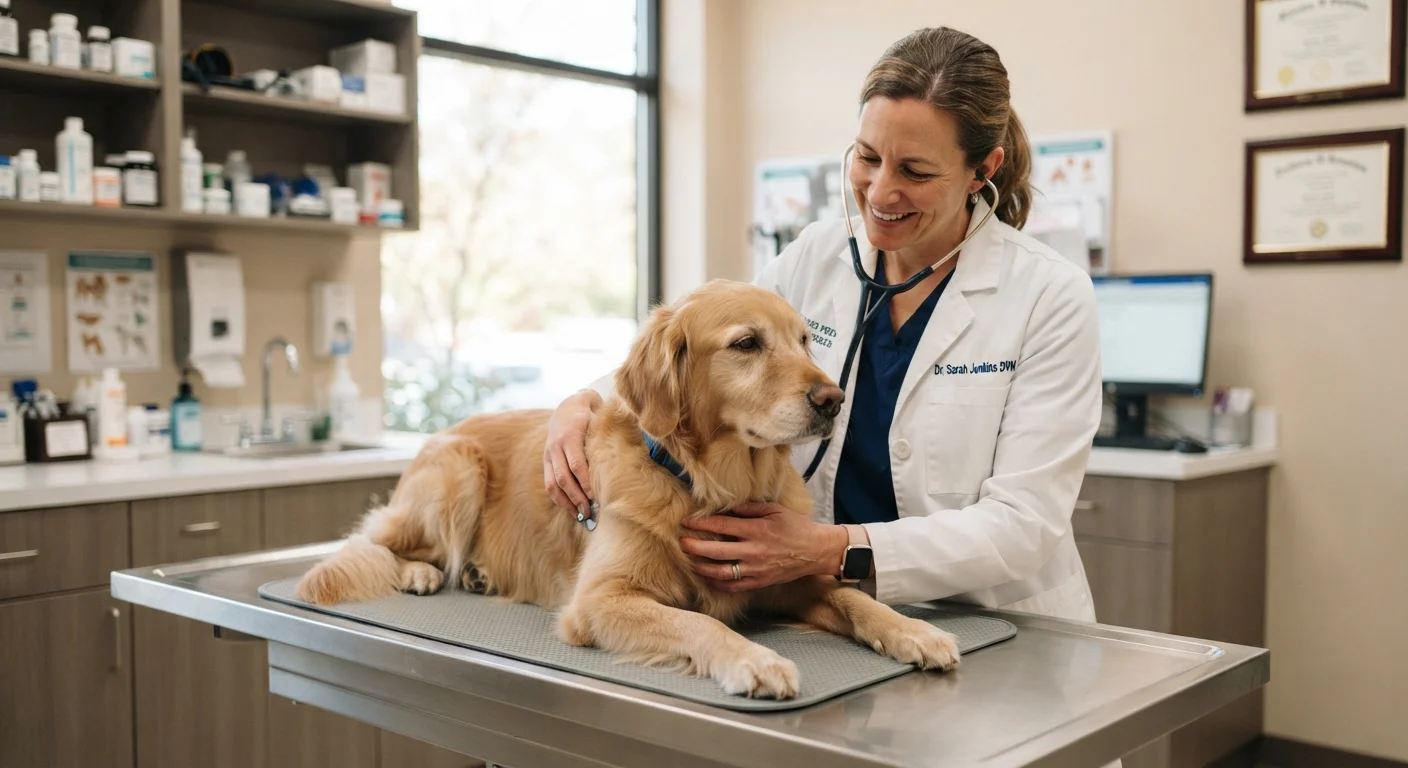
The Nose-to-Tail Physical Exam Explained
Most pet owners know a routine vet visit involves a weigh-in and a few questions — but the physical examination itself covers far more ground than many realize. A skilled veterinarian typically evaluates a dozen or more body systems in the span of a single appointment, often spotting early changes before any outward symptoms appear.
| Average exam duration | 20–45 minutes (Varies by practice and pet complexity) |
| Body systems evaluated | 10–15 per visit (Standard physical exam protocol) |
| Recommended exam frequency (healthy adult pets) | Once per year (American Veterinary Medical Association (AVMA)) |
| Recommended exam frequency (seniors or pets with chronic conditions) | Every 6 months (AVMA general wellness guidelines) |
| Body condition score scale | 1–9 (ideal: 4–5) (Purina Body Condition System, widely adopted in veterinary practice) |
Here's a system-by-system breakdown of what your vet is actually assessing, and why each checkpoint matters for your pet's long-term wellbeing. For a broader look at how this fits into year-round care, see The Preventive Care Calendar Every Pet Owner Should Know.
Weight and Body Condition Score
The exam almost always starts on the scale. Beyond raw weight, vets assign a body condition score (BCS) — a standardized 1–9 scale assessing fat coverage over the ribs, waist definition, and abdominal tuck. This helps identify both obesity and unintended weight loss, which can signal metabolic, dental, or systemic disease.
Eyes, Ears, and Nose
Using an ophthalmoscope, the vet examines the retina, lens clarity, and ocular surface. Clouding, redness, or discharge may indicate early cataracts, infection, or systemic conditions like hypertension. The ears are checked for debris, odor, and discharge using an otoscope — key indicators of infection, ear mites, or allergic disease. The nose is evaluated for symmetry and any abnormal discharge.
Mouth and Teeth
Dental disease is one of the most commonly underdiagnosed conditions in companion animals. The vet inspects gum color, checks for tartar buildup, evaluates tooth looseness, and looks for masses or ulcerations. Pale, yellow, or bluish gums can signal serious systemic problems requiring immediate follow-up.
Heart and Lungs
Auscultation — listening with a stethoscope — allows the vet to assess heart rate, rhythm, and the presence of any murmurs or abnormal sounds. Lung fields are evaluated for abnormal crackles or wheezes. Early-stage heart disease or respiratory conditions are often first detected this way, well before a pet shows obvious signs of illness.
Abdomen, Lymph Nodes, and Skin
Gentle palpation of the abdomen lets the vet feel the liver, spleen, kidneys, and intestines for abnormal size, shape, or pain response. Regional lymph nodes are checked for enlargement, which can indicate infection or, in some cases, cancer. The coat, skin, and musculoskeletal system are assessed for lumps, hair loss, parasites, and joint swelling.
What the Visit Also Covers — and How to Make the Most of It
Beyond the physical exam, your vet will review vaccination status, discuss parasite prevention, and ask targeted questions about changes in appetite, thirst, urination, bowel habits, and behavior. These behavioral and historical cues often direct the exam toward areas warranting closer attention.
Auscultation
The act of listening to internal body sounds — typically the heart and lungs — using a stethoscope. It helps detect murmurs, abnormal rhythms, and respiratory abnormalities.
Body Condition Score (BCS)
A standardized scale (usually 1–9) used by veterinarians to assess an animal's fat coverage and overall weight status. A score of 4–5 is generally considered ideal for most dogs and cats.
Palpation
The use of hands to feel the body's surface or internal organs for size, texture, tenderness, or abnormal masses. Abdominal palpation is a routine part of every wellness exam.
Baseline Diagnostics
A set of standard laboratory tests — such as a blood panel or urinalysis — performed when a pet is healthy to establish normal reference values. These make it easier to detect deviations in future visits.
Ophthalmoscope
A handheld instrument with a light and lenses used to examine the interior structures of the eye, including the retina and lens, during a physical exam.
Depending on your pet's age and risk factors, your vet may recommend baseline diagnostics such as a complete blood count (CBC), chemistry panel, urinalysis, or fecal parasite screening. These are not always included in a standard exam fee but provide data that a physical exam alone cannot capture.
Understanding how preventive and reactive care differ can help you appreciate why catching problems at an exam — before symptoms escalate — is so clinically meaningful. You can extend this vigilance at home using the home health checks you can do between vet visits as a practical between-visit reference.
If your pet struggles with anxiety during appointments, preparation makes a real difference in exam accuracy. See Preparing Your Pet for a Vet Visit Without the Stress for techniques that can help both you and your animal feel more at ease.
Come prepared: Write down any behavioral changes, new lumps, changes in drinking or urination, or dietary shifts you've noticed. Your observations are clinical data the vet cannot gather without you.
This article is for general informational purposes only and does not constitute veterinary advice. Always consult a licensed veterinarian for guidance specific to your pet's health needs.
The content provided on our blog site traverses numerous categories, offering readers valuable and practical information. Readers can use the editorial team’s research and data to gain more insights into their topics of interest. However, they are requested not to treat the articles as conclusive. The website team cannot be held responsible for differences in data or inaccuracies found across other platforms. Please also note that the site might also miss out on various schemes and offers available that the readers may find more beneficial than the ones we cover.