

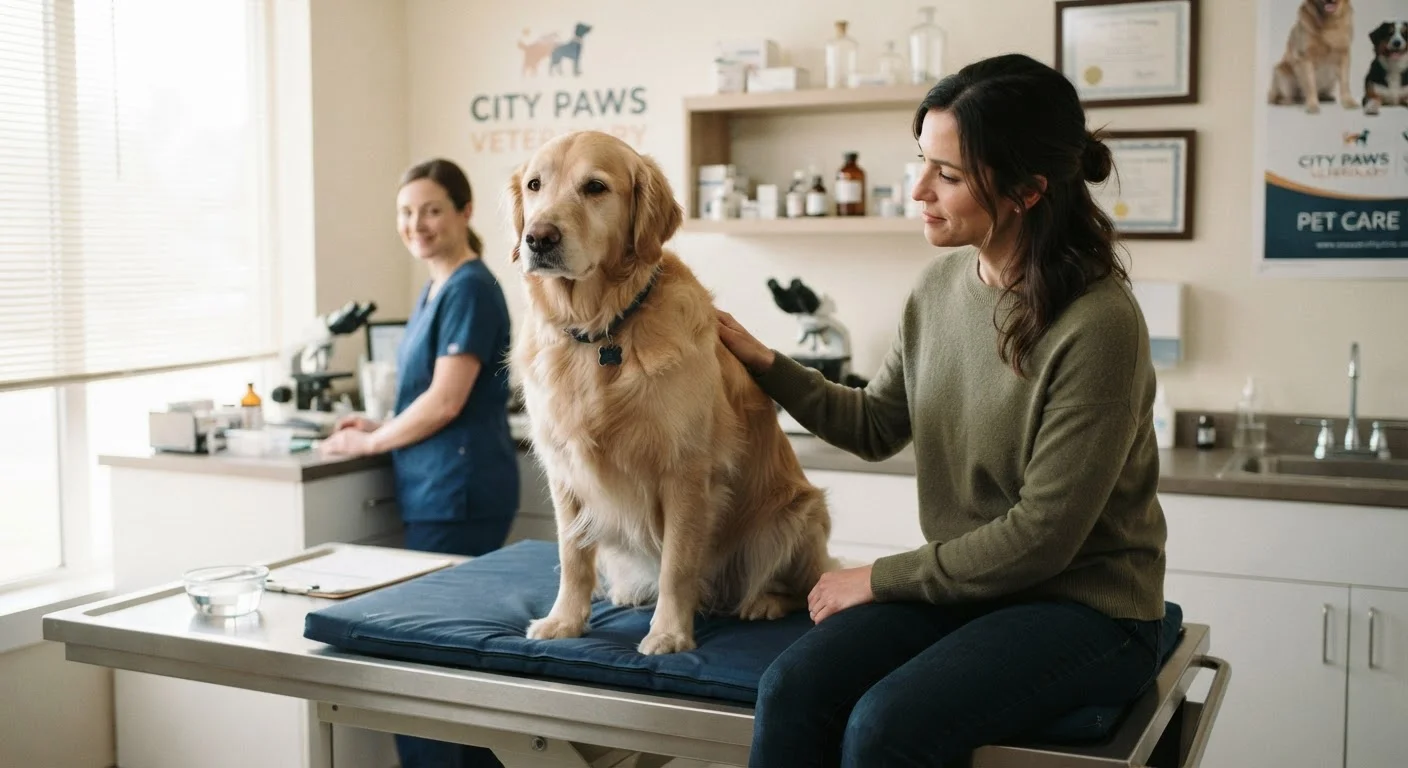
Why Vet Anxiety Is a Real Problem Worth Solving
Stress during a veterinary exam isn't just uncomfortable for your pet — it can interfere with care. A frightened animal may have an elevated heart rate, tense muscles, or reactive behavior that makes a physical exam harder and less informative. Some pets become so distressed that owners start skipping or delaying appointments, which creates gaps in preventive care.
The good news is that vet-related anxiety is largely manageable with consistent preparation. Whether your pet is mildly nervous or genuinely fearful, the steps below will help you build a calmer experience for both of you. For pets with deep-seated fear responses, our guide on helping a fearful pet build confidence offers additional behavioral groundwork to layer in over time.
What you will need
What You'll Need Before You Start
Gather the following before working through the steps. Having everything ready reduces last-minute scrambling — which pets pick up on instantly.
Hard-sided or soft carrier
Provides a contained, familiar space for transport — critical for cats and small dogs.
High-value treats
Used for positive reinforcement during handling practice and at the clinic.
Familiar blanket or worn T-shirt
Your scent in the carrier reduces stress hormones in many pets.
Calming pheromone spray
Species-specific synthetic pheromone products can be sprayed in the carrier 15–30 minutes before travel to help reduce anxiety.
Written symptom or behavior notes
Helps you communicate clearly with the vet without relying on memory under time pressure.
Step-by-Step: Preparing Your Pet for a Calmer Vet Visit
Follow these steps in the days and hours leading up to the appointment. Consistency across multiple visits compounds the benefit.
Make the carrier part of normal life
Don't bring out the carrier only on appointment day — that alone signals something stressful is coming. Leave it open in a common area days or weeks in advance with a soft blanket inside. Feed treats near it, then inside it, without closing the door. Over time, most pets begin treating it as a neutral or even pleasant space.
Practice handling at home
Veterinary exams involve touching ears, paws, mouth, and abdomen — areas many pets guard instinctively. Spend two to three minutes daily touching these areas gently, pairing each touch with a treat. Keep sessions short and positive. This desensitization practice mirrors what the vet will do and makes the real exam far less startling.
Schedule strategically and prepare the night before
Book appointments during quieter clinic hours when possible — early morning slots often mean fewer animals in the waiting area. Confirm whether your vet uses fear-free or low-stress handling protocols, which are increasingly common. The night before, assemble the carrier with the blanket, locate your records, and write down any behavioral observations to share.
Stay calm during transport
Pets are highly attuned to owner stress. Drive calmly, avoid sudden stops, and keep the radio at a low volume. Place the carrier on a stable surface — a rear footwell or secured with a seatbelt — so it doesn't slide. Speak in a steady, low voice rather than offering anxious reassurances, which can inadvertently signal that there is something to worry about.
Manage the waiting room
Waiting rooms can be the most stressful part of the visit. Keep cats in their covered carrier rather than letting them see the room. For dogs, position yourself away from other animals and keep greetings with strangers brief. If your clinic allows it, ask to wait in your car and be called when an exam room is ready — many practices are happy to accommodate this.
Communicate clearly with your veterinarian
Tell the vet and technician upfront what handling approaches tend to increase or reduce your pet's stress. Share your written notes, mention any new symptoms or behavioral changes, and ask questions before leaving. A productive, two-way appointment is safer and more useful for your pet's long-term health. It's also worth keeping a home first-aid kit ready for minor concerns between visits.
Medication Is an Option for Severely Anxious Pets
If your pet's anxiety is severe enough to prevent safe examination, ask your veterinarian about prescription anti-anxiety options before the next visit. These are not a last resort — using them proactively is considered a welfare-positive choice by many veterinary professionals. Never administer any medication, including over-the-counter products marketed for pets, without explicit guidance from your vet, as some can be harmful or interact with existing conditions.
Short "Happy Visits" Build Long-Term Calm
Many veterinary clinics welcome brief, non-medical drop-in visits — sometimes called happy visits — where your pet can enter the building, receive treats from staff, and leave without any exam. Even two or three of these visits a year can meaningfully shift how a pet perceives the clinic environment over time. Ask your vet's office if they offer or allow this.
After the Visit: What to Do Next
Once you're home, give your pet a quiet space to decompress — avoid high-energy play or other stressors for at least an hour. Offer a small reward if they tolerate it well, and note anything that seemed to spike their anxiety so you can flag it at the next appointment.
Between visits, keep up with home health checks so you arrive with useful observations rather than vague worries. If your pet is older, check out our guidance on wellness considerations for senior animals, since aging pets often need more frequent visits and may have heightened anxiety. You may also want to explore vet telehealth options for follow-up questions that don't require a physical exam.
This article is for general informational and educational purposes only and is not a substitute for professional veterinary advice. Always consult a licensed veterinarian for guidance specific to your pet's health needs.
The content provided on our blog site traverses numerous categories, offering readers valuable and practical information. Readers can use the editorial team’s research and data to gain more insights into their topics of interest. However, they are requested not to treat the articles as conclusive. The website team cannot be held responsible for differences in data or inaccuracies found across other platforms. Please also note that the site might also miss out on various schemes and offers available that the readers may find more beneficial than the ones we cover.