

Our Verdict
Plant-based eating offers well-documented benefits for cardiovascular health, weight management, and environmental impact - but it is not a nutritional shortcut. Success depends on variety, intentional food choices, and awareness of specific nutrients that animal products typically supply. With adequate planning, most people can meet their needs on a plant-heavy diet.
Best suited to adults motivated to improve long-term health outcomes who are willing to plan meals thoughtfully and, when needed, work with a nutrition professional.
What 'Plant-Based' Actually Means
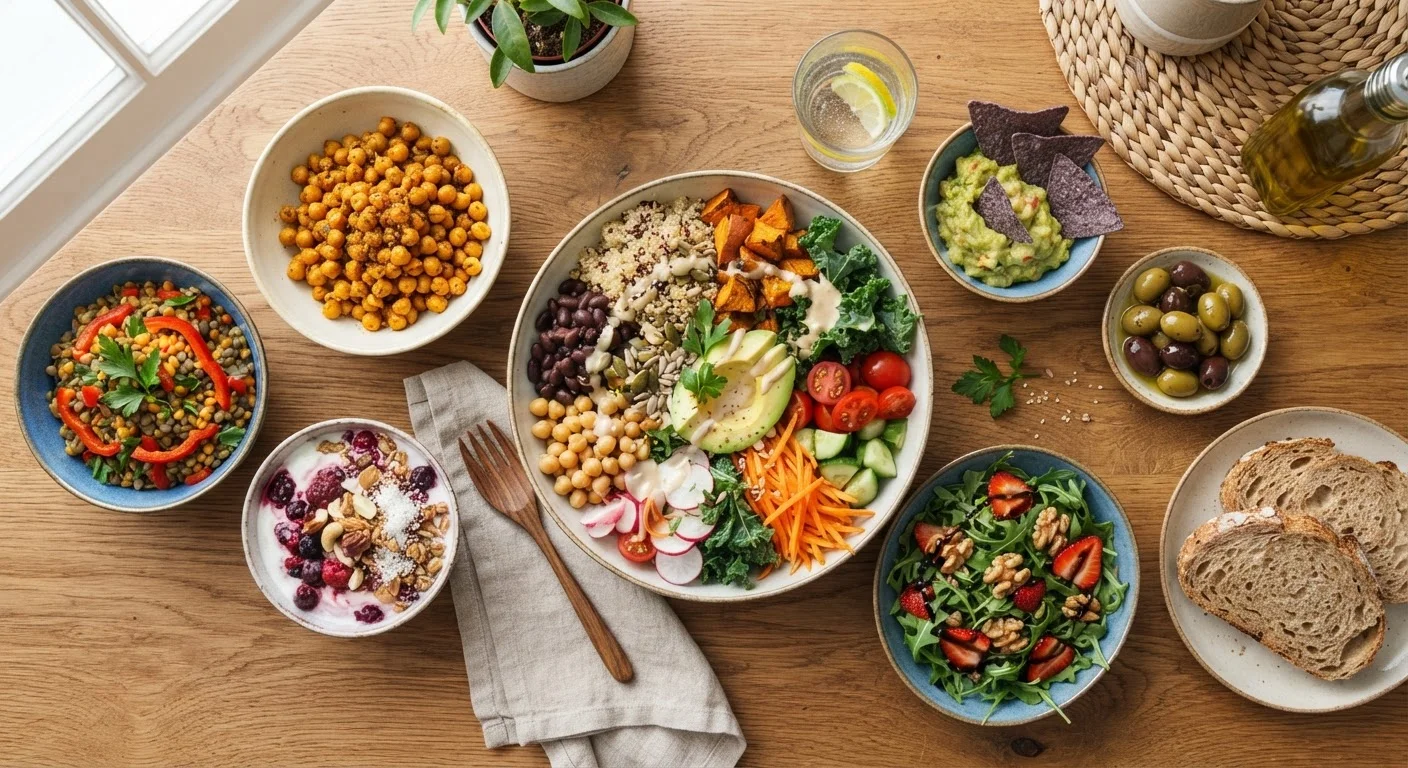
The term plant-based eating covers a wide spectrum - from fully vegan diets (no animal products at all) to flexitarian approaches that simply emphasize vegetables, legumes, whole grains, nuts, and seeds while reducing meat and dairy. The defining feature is that plants make up the clear majority of calories consumed.
This distinction matters because the evidence supporting plant-based diets largely comes from populations eating predominantly whole plant foods - not from people swapping beef burgers for heavily processed meat alternatives. If you're building your pattern around eating patterns with genuine research behind them, plant-forward approaches earn their place. But the quality of those plant foods is what drives the benefit.
Linked to lower cardiovascular disease risk
Large cohort studies consistently associate plant-rich diets with reduced LDL cholesterol, lower blood pressure, and decreased incidence of coronary heart disease. The American Heart Association recognizes plant-forward dietary patterns as cardioprotective.
Supports healthy weight management
High fiber content in whole plant foods promotes satiety and slower digestion, which helps moderate overall calorie intake without strict restriction. Research shows plant-based eaters tend to have lower average body mass indexes than omnivores.
May reduce type 2 diabetes risk
A 2019 meta-analysis published in JAMA Internal Medicine found that plant-based dietary patterns were associated with a significantly lower risk of developing type 2 diabetes, partly due to improved insulin sensitivity and reduced inflammatory markers.
High dietary fiber benefits gut health
Most Americans fall well below the recommended daily fiber intake. Plant-based diets naturally deliver substantially more fiber, supporting a diverse gut microbiome and regular digestive function - both linked to broader health outcomes.
Lower environmental footprint
Shifting toward plants reduces greenhouse gas emissions, land use, and water consumption compared to diets heavy in animal products, particularly beef and dairy - a consideration increasingly relevant to consumers.
The Nutrients That Demand Your Attention
The most common pitfall in plant-based eating isn't effort - it's specific nutrient gaps that develop quietly over months or years. Here's where deliberate planning is non-negotiable:
- Vitamin B12: Found almost exclusively in animal products, B12 deficiency can cause nerve damage and anemia. Anyone avoiding animal foods should supplement or consume B12-fortified foods consistently.
- Iron: Plants contain non-heme iron, which the body absorbs less efficiently than the heme iron in meat. Pairing iron-rich foods (lentils, tofu, fortified cereals) with vitamin C improves absorption.
- Omega-3 fatty acids: EPA and DHA, the forms most active in the body, are found primarily in fatty fish. Plant sources like flaxseed and walnuts supply ALA, which the body converts inefficiently. Algae-based omega-3 supplements are a direct plant-derived alternative.
- Calcium and Vitamin D: Without dairy, you'll need calcium from fortified plant milks, tofu set with calcium sulfate, or leafy greens like bok choy. Vitamin D deficiency is widespread regardless of diet, so testing and supplementation are worth discussing with a clinician.
- Zinc and iodine: Both are lower in typical plant-based diets and often overlooked. Iodized salt and seaweed (in moderation) address iodine; zinc absorption improves when legumes are soaked or sprouted before cooking.
Supplements Are Not a Safety Net for Poor Planning
Supplements can correct specific, known deficiencies - but they don't replicate the full nutrient complexity of whole foods. Relying heavily on supplements while eating a narrow or processed plant-based diet is not a sound nutritional strategy. The goal is to use supplements to fill documented gaps within an otherwise varied, whole-food diet. If you're unsure where your gaps are, a blood panel ordered through your healthcare provider is the most direct way to find out.
Tracking these nutrients periodically - rather than daily - keeps you informed without adding obsessive overhead. Our weekly nutrition self-check offers a practical framework for doing this without micromanagement.
Vitamin B12 deficiency risk is real
B12 is not reliably available from plant foods, and deficiency can cause irreversible neurological damage over time. Supplementation or consistent use of fortified foods is not optional - it is medically necessary for those avoiding all animal products.
Protein completeness requires planning
While plants collectively supply all essential amino acids, individual sources vary. Relying on a narrow range of plant proteins - for example, only rice and bread - can leave certain amino acids chronically low.
Processed plant foods can be nutritionally poor
The plant-based food market includes many highly processed products with high sodium, refined starches, and minimal fiber. A label reading 'vegan' or 'plant-based' does not automatically indicate nutritional quality.
Social and practical barriers can create friction
Dining out, traveling, or eating in households with mixed preferences adds logistical complexity. Without strategies in place, these situations can lead to nutritionally unbalanced meals or diet abandonment.
Supplements add cost and routine
B12, vitamin D, and potentially algae-based omega-3s are often necessary and represent ongoing monthly costs. Remembering to take supplements consistently requires habit formation that not everyone maintains.
Making It Work in Practice
The gap between knowing what to eat and actually eating it comes down to systems. A few evidence-informed habits make plant-based eating sustainable:
Build around protein anchors. Every meal should center on a reliable protein source - lentils, chickpeas, edamame, tempeh, tofu, or hemp seeds. This prevents the accidental low-protein patterns that leave people feeling unsatisfied and eventually abandoning the approach.
Vary your whole grains. Swapping refined carbohydrates for intact whole grains improves fiber, mineral content, and satiety. What actually changes when a grain is refined affects both nutrition and how your body processes each meal.
Read labels on plant-based packaged foods. Many processed meat and dairy alternatives are high in sodium and low in fiber. Learning what nutrition labels are actually telling you helps you distinguish whole-food convenience products from nutritionally thin substitutes.
17g
Average daily fiber intake among U.S. adults
The Dietary Guidelines for Americans recommend 25-38g daily; plant-based diets typically help close this gap significantly.
~23%
Lower heart disease risk in plant-based eaters
A large prospective analysis published in the Journal of the American Heart Association found this risk reduction among those with high plant-food quality scores.
92%
Of U.S. adults may be vitamin D insufficient
According to NIH estimates, vitamin D shortfall is widespread regardless of diet - making assessment and potential supplementation relevant across all eating patterns.
If you're newer to structured eating, a practical meal-planning starting point can help you build weekly variety without the overwhelm. And if portion balance feels uncertain, building a balanced plate without counting every calorie offers a straightforward visual framework.
This article is for general informational purposes only and is not a substitute for personalized medical or nutritional advice. Speak with a qualified healthcare provider or registered dietitian before making significant changes to your diet, especially if you have an existing health condition.
The content provided on our blog site traverses numerous categories, offering readers valuable and practical information. Readers can use the editorial team’s research and data to gain more insights into their topics of interest. However, they are requested not to treat the articles as conclusive. The website team cannot be held responsible for differences in data or inaccuracies found across other platforms. Please also note that the site might also miss out on various schemes and offers available that the readers may find more beneficial than the ones we cover.