

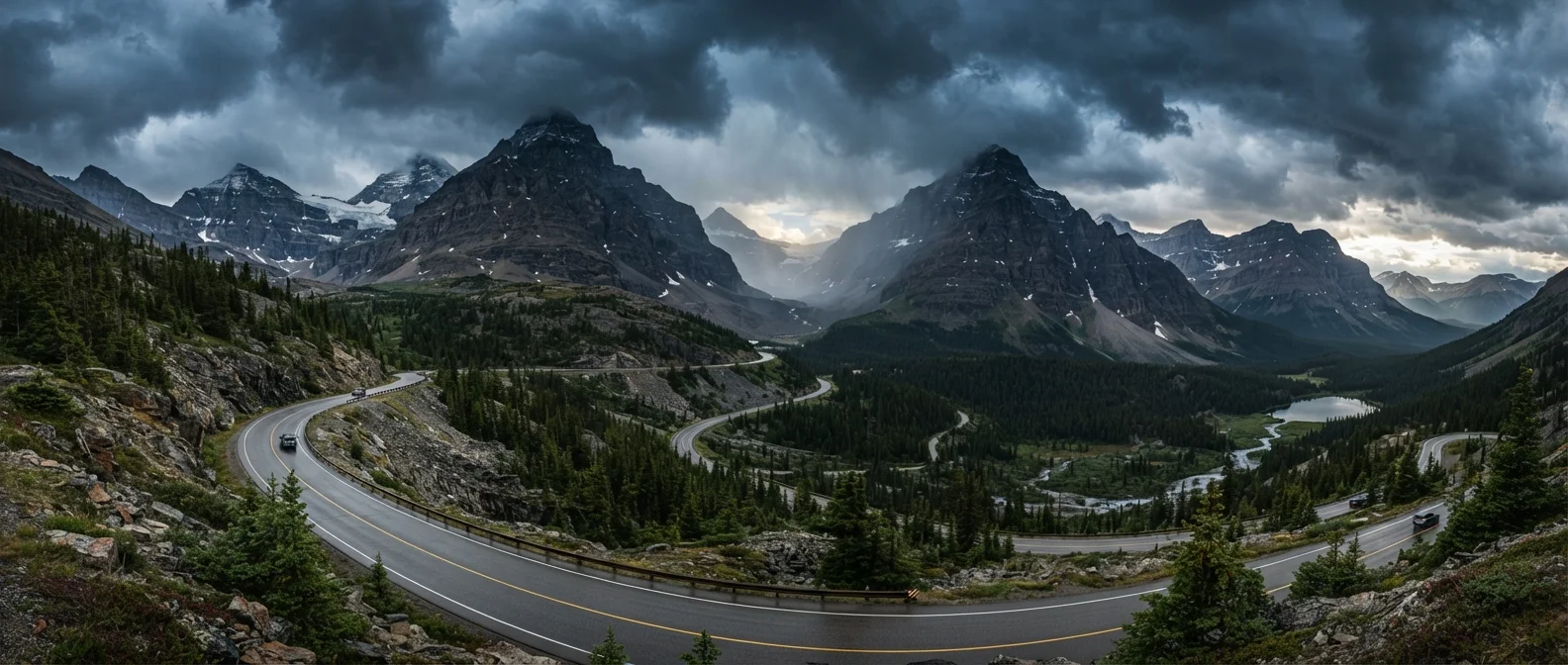
Why Elevation Catches So Many Travelers Off Guard
The American Mountain West — from the Rockies and the Colorado Plateau to the Great Basin and the Sierra Nevada — is one of the most dramatic travel destinations on the continent. It's also one of the most consistently underestimated. Travelers who've done their homework on lodging, scenic routes, and park passes often arrive completely unprepared for what the thin air, volatile skies, and vertical terrain actually demand.
Part of the problem is perception. Looking at photos of Telluride, Taos, or Yellowstone, nothing telegraphs altitude. But many popular Mountain West destinations sit above 6,000, 7,000, or even 10,000 feet. Your body — and your car, your cooking, your wardrobe — is tuned for sea level. The gap between expectation and reality can range from mildly frustrating to genuinely dangerous.
If you're planning a western road trip or heading into high country for the first time, understanding these realities before you go is the single most useful thing you can do. Below are the most common elevation-related mistakes travelers make — and exactly how to sidestep them.
Assuming fitness at sea level translates directly to performance at altitude.
Why it happens: Travelers who run marathons or hit the gym regularly expect their bodies to behave the same way in Denver, Aspen, or Rocky Mountain National Park — but cardiovascular fitness doesn't protect you from hypoxia.
Planning outdoor activities for the afternoon without accounting for mountain storm patterns.
Why it happens: Most people schedule hikes or drives the way they would at the beach — a late morning start with the bulk of the adventure in the afternoon.
Underestimating how much water the body needs at high elevation.
Why it happens: Lower humidity and increased breathing rate at altitude cause faster moisture loss, but travelers don't feel obviously sweaty the way they would in summer heat.
Not accounting for vehicle performance changes on steep mountain grades.
Why it happens: Drivers unfamiliar with mountain roads expect their vehicle to behave as it does at sea level, leading to overheating brakes on descents or underpowered struggles on climbs.
Packing clothing as if elevation and latitude work the same way.
Why it happens: Travelers heading to sunny, warm states like Colorado or Utah in July assume temperatures will be similar to where they live at lower elevations.
Practical Strategies for Thriving at High Altitude
Elevation doesn't have to derail your trip — millions of people visit Mountain West destinations every year and have extraordinary experiences. The key is approaching high country with the same intentionality you'd bring to any demanding environment.
Mountain Weather Can Turn Dangerous Fast
Afternoon lightning storms above treeline are common throughout the Rockies and Sierra Nevada from late spring through early fall. What begins as a clear morning can become a dangerous electrical storm by 1 p.m. Check forecasts each morning, start hikes early, and always have a plan to descend quickly. Being caught above treeline in a thunderstorm is a serious hazard that claims lives every year.
Start slow. Whether you're landing in Denver and driving to Rocky Mountain National Park the same day, or road-tripping from the Pacific Coast, build altitude transitions into your itinerary rather than treating them as incidental. Visiting parks in shoulder season also means milder temperatures and reduced weather extremes — a genuine advantage at elevation.
Pay attention to how your body actually feels, not how you think it should feel. Altitude affects people unpredictably. The terrain across the Mountain West is also far more varied than many realize; if you're curious how it compares to the coastal West, our look at the Southwest desert versus the Pacific Northwest rain forest puts the regional contrasts in vivid perspective.
Altitude Sickness Is a Real Medical Risk
Acute mountain sickness (AMS) can affect anyone, regardless of age or fitness level. Symptoms include headache, nausea, dizziness, and fatigue. If symptoms worsen or include confusion or difficulty breathing, descend immediately and seek medical attention. Always consult a healthcare professional before traveling to high-elevation destinations if you have any underlying health conditions.
This article is for general travel information purposes only and is not a substitute for medical advice. Consult a qualified healthcare professional before traveling to high-elevation destinations, especially if you have existing health conditions.
The content provided on our blog site traverses numerous categories, offering readers valuable and practical information. Readers can use the editorial team’s research and data to gain more insights into their topics of interest. However, they are requested not to treat the articles as conclusive. The website team cannot be held responsible for differences in data or inaccuracies found across other platforms. Please also note that the site might also miss out on various schemes and offers available that the readers may find more beneficial than the ones we cover.