

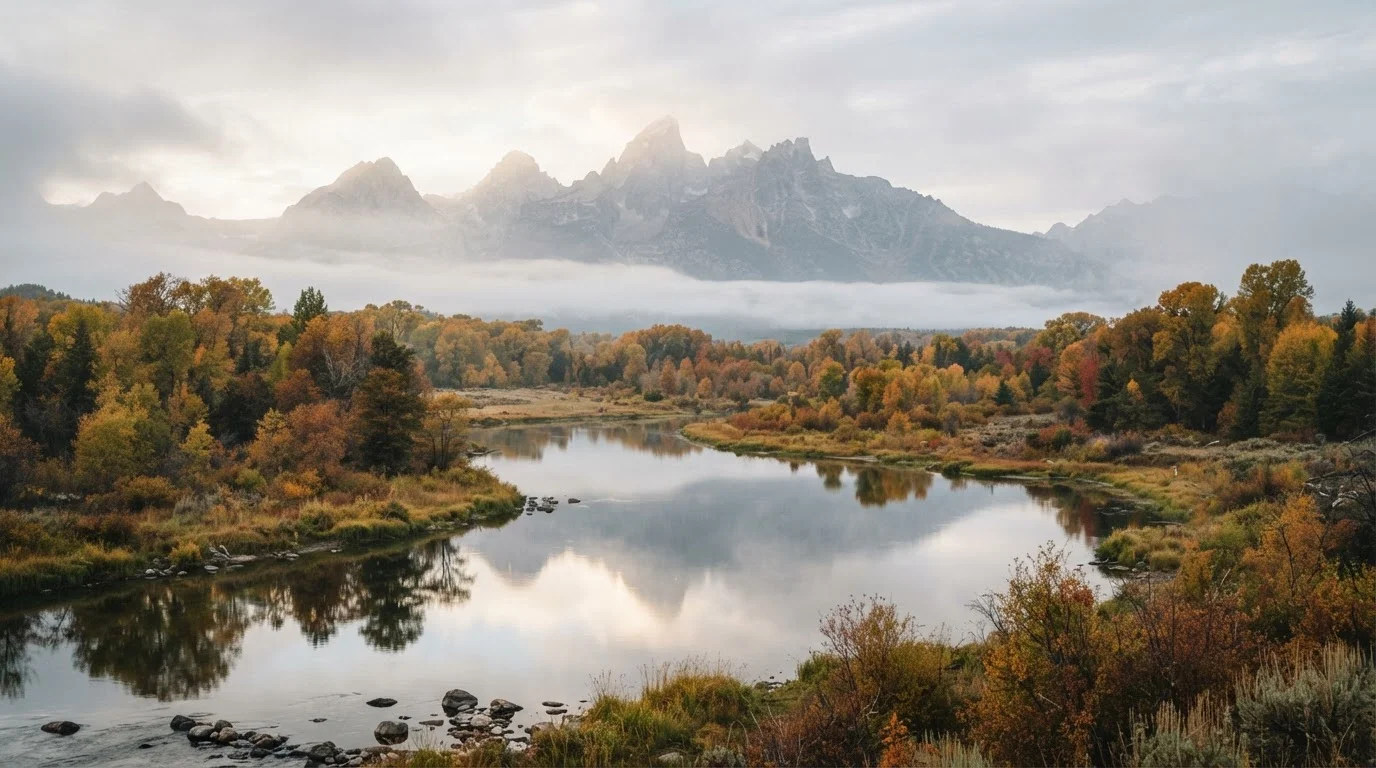
What Shoulder Season Actually Means for National Parks
Shoulder season refers to the transitional windows on either side of a park's peak period — typically spring (April–May) and fall (September–October) for most US parks, though exact timing shifts by region and elevation. It's the sweet spot between the frozen quiet of winter and the elbow-to-elbow intensity of summer.
For the major parks — Yellowstone, Yosemite, Grand Canyon, Zion — summer brings millions of visitors compressed into just a few months. Shoulder season peels most of that pressure away without closing the door on great experiences. Understanding your target park's specific rhythm matters. For a quick regional breakdown of when each part of the country transitions in and out of peak travel, see our traveler's reference to US regional seasons.
325M+
Annual visits to US national parks
According to the National Park Service, total recreation visits across the national park system exceed 325 million in recent years, with a large share concentrated in summer months.
~30–50%
Estimated drop in visitors during shoulder months
Park visitation data from the NPS shows that September and October typically see 30–50% fewer visitors at high-traffic parks compared to July and August peaks.
Best Practices for a Successful Shoulder Season Visit
Going off-peak rewards the prepared traveler. These practices will help you get the most out of spring or fall visits while avoiding the handful of genuine pitfalls that catch people off guard.
Check the specific park's shoulder season dates — not just general guidelines.
Peak and off-peak timing varies significantly across parks. The Grand Canyon's North Rim closes entirely in winter, while Death Valley's shoulder season runs opposite to most parks due to extreme summer heat. Using generic timing assumptions can lead to surprises.
Book lodging and campsites at least 4–6 weeks in advance, even in shoulder season.
While shoulder season offers better availability than summer, popular in-park lodges and campgrounds can still fill on weekends. Booking ahead also gives you flexibility to choose better sites rather than taking what's left.
Verify trail and road conditions with the park's official website before your trip.
Shoulder season weather is unpredictable. A spring snowstorm can close high-altitude trails in May; an early fall freeze can ice over mountain roads in September. Official park websites and the NPS app post real-time conditions.
Arrive at trailheads early — shoulder season crowds still concentrate at the same iconic spots.
Even with fewer overall visitors, the most famous viewpoints and trails attract attention. Arriving by 7–8 a.m. typically means available parking and uncrowded photos without needing a timed-entry permit.
Layer your clothing and pack for rapid weather changes.
Shoulder season temperatures can swing 30–40°F between morning and afternoon, especially at elevation. Being underprepared for cold or rain is one of the most common reasons shoulder season visitors cut trips short.
Wildlife, Scenery, and the Hidden Perks
One of shoulder season's best-kept secrets is how alive the parks feel. Spring brings wildflower blooms, newborn animals, and waterfalls at their fullest from snowmelt. Fall offers elk rut in the Rockies, hawk migrations along ridgelines, and foliage that can rival anything New England has to offer — especially in parks like Shenandoah and Great Smoky Mountains.
The light is also different in shoulder season. Lower sun angles in September and October create the warm, golden-hour conditions photographers chase. In spring, soft overcast skies produce even, richly colored landscapes without harsh midday glare.
“The best wildlife encounters I've ever had in national parks happened in September and October — the animals aren't hiding from crowds, and the light is extraordinary.”
— Rebecca Nieminen, National park interpretive ranger and outdoor educator
For travelers drawn to dramatic contrasts in landscape, shoulder season is an especially rewarding time to visit parks in the Southwest or Pacific Northwest. Our comparison of the American Southwest desert versus the Pacific Northwest rain forest shows how differently these regions feel as seasons shift.
Quick Wins: Actions to Take Before You Leave
Even a shoulder season trip benefits from a bit of preparation. A few targeted moves in the days before departure can make the difference between a smooth visit and a frustrating one.
If you're driving to the park, it's worth noting that variable mountain and desert temperatures in shoulder months can stress your vehicle. Our guide on seasonal car care covers what to check before heading into changing-weather terrain. And whether you're a planner or prefer to roam freely, balancing a flexible itinerary with a structured schedule is worth thinking through before you go.
The content provided on our blog site traverses numerous categories, offering readers valuable and practical information. Readers can use the editorial team’s research and data to gain more insights into their topics of interest. However, they are requested not to treat the articles as conclusive. The website team cannot be held responsible for differences in data or inaccuracies found across other platforms. Please also note that the site might also miss out on various schemes and offers available that the readers may find more beneficial than the ones we cover.