

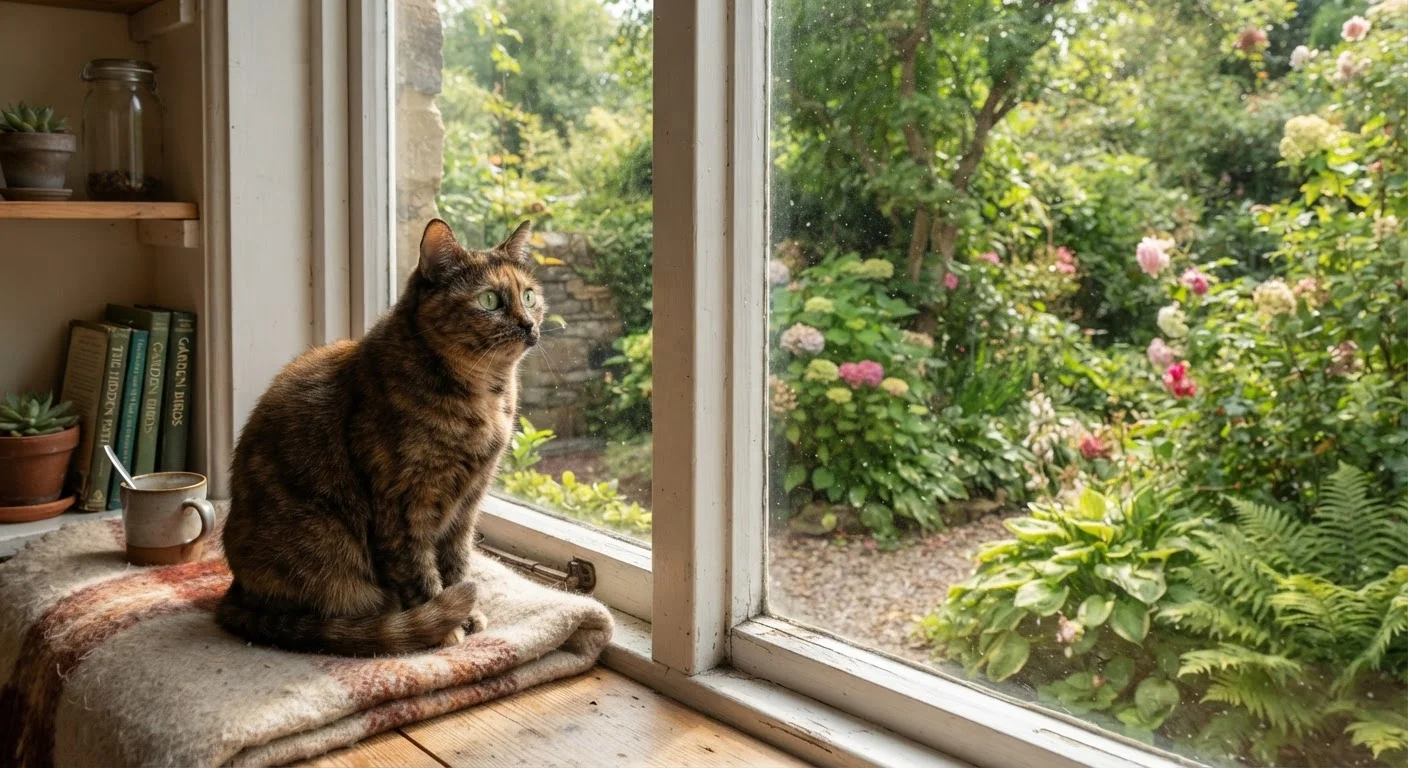
Our Verdict
Neither lifestyle is universally right or wrong — the best choice depends on your cat's temperament, your local environment, and your ability to provide enrichment indoors or supervision outdoors. Indoors generally offers the safer, longer life; outdoors offers more stimulation but introduces serious risks. A thoughtful hybrid approach often balances both.
Owners who can invest in environmental enrichment at home, or those with safe access to supervised outdoor spaces like a catio or fenced yard.
The Lifespan Gap Is Real
One of the most cited differences between indoor and outdoor cats is longevity. Veterinary and shelter data consistently show that indoor-only cats live considerably longer on average — often estimated at 12–18 years — compared to cats with regular outdoor access, whose average lifespan is frequently reported as substantially shorter, though estimates vary by source and environment.
The reasons aren't mysterious. Outdoor cats encounter traffic, territorial fights with other cats, predators such as coyotes and dogs, and accidental poisoning from pesticides, rodenticides, or antifreeze. Each of these hazards carries real, compounding risk over a lifetime. Indoor living removes most of them in one step.
For owners focused on long-term wellbeing, small daily habits like consistent feeding, routine observation, and preventive vet visits matter regardless of which lifestyle a cat leads — but they matter even more when outdoor risks are part of the picture.
Health Risks Cut Both Ways
Outdoor cats are exposed to a broader range of infectious diseases — feline leukemia virus (FeLV), feline immunodeficiency virus (FIV), upper respiratory infections, and intestinal parasites are all more common in cats that interact with other animals or soil. Keeping vaccinations and parasite prevention current is critical for any cat with outdoor access.
Indoor cats aren't without health vulnerabilities, however. Obesity is significantly more prevalent in indoor cats, largely due to reduced activity and the caloric density of many commercial diets. Urinary tract issues, dental disease, and stress-related conditions also appear regularly in indoor populations. These aren't minor concerns — they require active management. See how preventive versus reactive care strategies each shape long-term health outcomes for pets.
Talk to Your Vet About Lifestyle-Specific Care
A cat's vaccination and parasite prevention needs change based on lifestyle. Your veterinarian can tailor a protocol suited to your cat's actual exposure risks — this is one area where individualized professional guidance is especially valuable. Outdoor access doesn't automatically mean poor health outcomes if preventive care is kept current.
A cat's vaccination and parasite prevention needs change based on lifestyle. Your veterinarian can tailor a protocol suited to your cat's actual exposure risks — this is one area where individualized professional guidance is especially valuable.
Enrichment: The Indoor Cat's Biggest Challenge
Cats are predators with strong instincts to hunt, climb, explore, and patrol territory. An indoor environment that fails to account for these needs doesn't just produce a bored cat — it can produce an anxious, destructive, or physically unhealthy one. Boredom is genuinely a health issue for understimulated pets.
Effective indoor enrichment includes vertical space (cat trees, shelves), rotating puzzle feeders, interactive play sessions, and window access to visual stimulation. Cats have distinct activity needs that differ from dogs or other pets, and meeting them indoors requires deliberate effort from owners.
Understanding why cats behave the way they do also helps owners provide better stimulation. For example, the instincts behind knocking objects off surfaces point directly to the kind of interactive engagement indoor cats are often missing.
Significantly longer average lifespan
Indoor cats are shielded from the leading causes of premature feline death — traffic, predators, and infectious disease spread through contact with other cats.
Reduced infectious disease exposure
Without contact with stray or feral cats, indoor cats have substantially lower rates of FeLV, FIV, and parasitic infections that require ongoing treatment.
Easier health monitoring by owners
Owners of indoor cats can more readily track litter box habits, appetite changes, and behavioral shifts — early warning signs that often prompt timely veterinary visits.
No contribution to wildlife predation
Keeping cats indoors eliminates their impact on local bird and small mammal populations, a significant ecological concern with free-roaming cats.
Richer sensory and physical stimulation outdoors
Outdoor cats have access to natural terrain, varied scents, and genuine hunting opportunities that are difficult to fully replicate in any indoor setting.
Wildlife Impact and the Ethical Dimension
The conversation about outdoor cats isn't limited to feline welfare. Research published in peer-reviewed journals, including studies drawing on data from the Smithsonian Conservation Biology Institute, has estimated that free-roaming cats in the United States kill billions of birds and small mammals annually. This makes outdoor domestic cats one of the leading human-linked causes of wildlife mortality in North America.
This isn't a reason for shame or judgment — it's a documented ecological reality that responsible owners should weigh. Cats hunt even when well-fed; it's instinctive behavior deeply connected to the same drive that leads them to bring prey home. Bell collars and brightly colored collar covers can reduce hunting success to some degree, but they don't eliminate it.
Higher risk of injury, illness, and death
Outdoor cats face vehicle traffic, territorial aggression, predators, and accidental toxin ingestion — hazards that compound over a lifetime and reduce average longevity.
Greater disease and parasite burden
Regular contact with other animals and soil puts outdoor cats at elevated risk for FeLV, FIV, intestinal worms, fleas, and respiratory infections.
Significant impact on local wildlife
Free-roaming cats are estimated to kill billions of birds and small mammals in the U.S. each year, representing a substantial human-linked source of wildlife mortality.
Indoor cats prone to obesity and boredom
Without deliberate enrichment, indoor cats often become sedentary, overweight, and prone to stress-related and urinary health issues that require active management.
Indoor enrichment demands owner investment
Providing adequate mental and physical stimulation inside requires consistent effort, including interactive play, environmental setup, and ongoing variety to prevent behavioral problems.
The Middle Ground: Supervised and Contained Outdoor Access
For owners who want to provide outdoor stimulation without the full risk profile of free roaming, several practical options exist. Catios — enclosed outdoor structures attached to a home or window — allow cats to experience fresh air, natural light, and sensory variety without unsupervised exposure to roads, other animals, or wildlife. Leash and harness training is another option some cats adapt to well, though it requires patience and gradual introduction.
Owners with yards may also consider fully enclosed garden areas, though construction costs and feasibility vary. Whatever the setup, the goal is the same: give the cat access to what makes outdoor time stimulating — the sounds, smells, and visual complexity of nature — while maintaining control over the risks.
This article provides general information about cat care and lifestyle considerations. It is not a substitute for individualized advice from a licensed veterinarian familiar with your cat's specific health needs and circumstances.
12–18 yrs
Typical indoor cat lifespan
Veterinary and shelter organizations generally report indoor cats living 12–18 years, compared to substantially shorter lifespans for free-roaming cats.
Billions
Birds killed annually by free-roaming U.S. cats
Peer-reviewed research including work from the Smithsonian Conservation Biology Institute estimates free-roaming cats kill 1.3–4 billion birds in the U.S. each year.
~50%
Higher obesity prevalence in indoor cats
Veterinary nutrition surveys consistently find indoor cats at significantly greater risk for obesity than outdoor cats, largely due to reduced activity levels.
The content provided on our blog site traverses numerous categories, offering readers valuable and practical information. Readers can use the editorial team’s research and data to gain more insights into their topics of interest. However, they are requested not to treat the articles as conclusive. The website team cannot be held responsible for differences in data or inaccuracies found across other platforms. Please also note that the site might also miss out on various schemes and offers available that the readers may find more beneficial than the ones we cover.