

What a Hardiness Zone Actually Measures
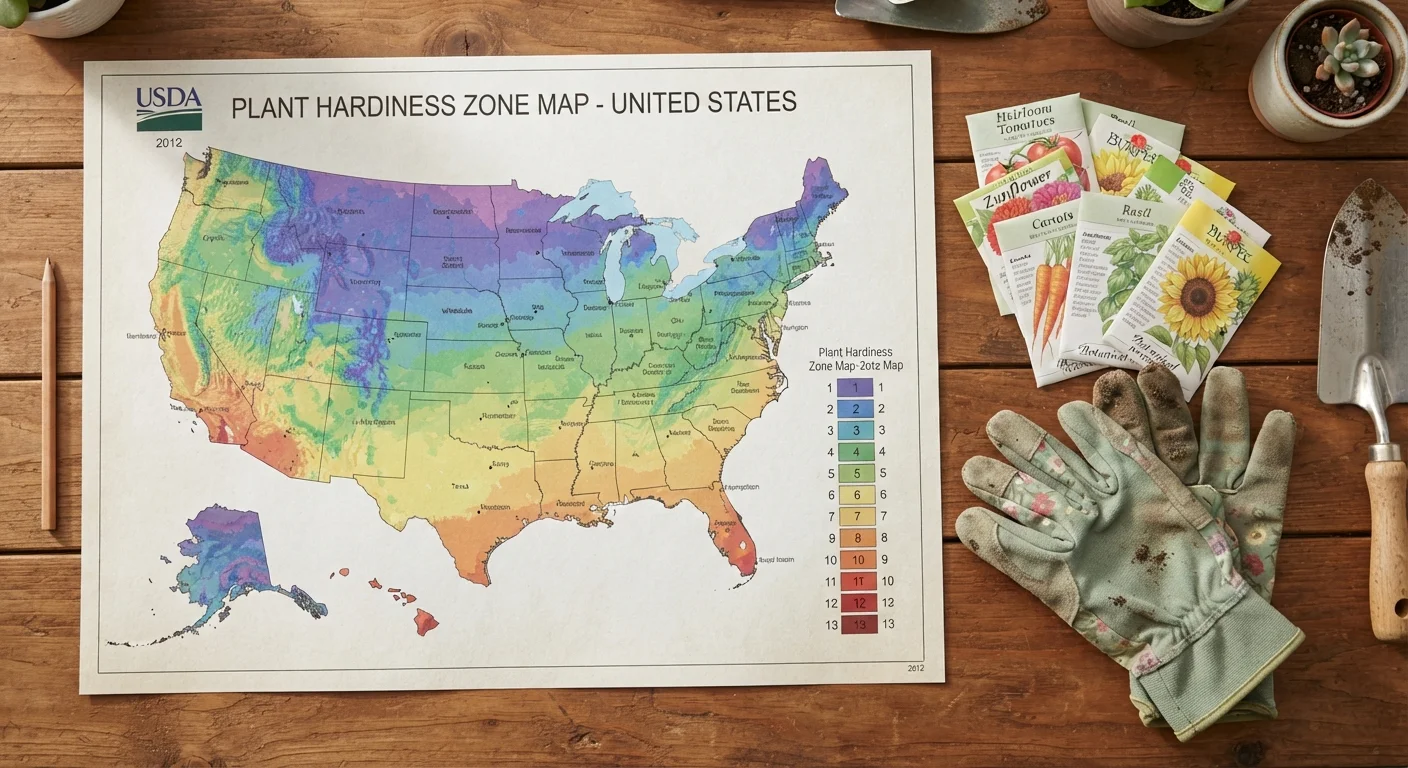
When you buy a perennial plant or a packet of bulbs, you'll almost always see a zone range on the label - something like "Hardy in Zones 5-9." That number comes from the USDA Plant Hardiness Zone Map, which divides the continental U.S., Hawaii, Alaska, and Puerto Rico into 13 primary zones based on one specific data point: the average annual extreme minimum temperature recorded over a 30-year period.
Each zone spans a 10°F range. Zone 5, for example, covers areas where the coldest nights of the year typically bottom out between -20°F and -10°F. Zone 9 sees minimums of 20°F to 30°F. The half-zones introduced in later map versions (5a, 5b) narrow that to 5°F increments.
The practical upshot: a zone rating tells you whether a plant is likely to survive the winter in your area. It says nothing about whether the plant will thrive.
Zone Labels Are for Perennials, Primarily
Hardiness zone ratings are most meaningful for perennial plants - those expected to return year after year. Annual vegetables and flowers complete their life cycle in a single season, so winter survival isn't relevant to them. For edible gardens, focus on your average last spring frost date and days-to-maturity for each crop instead.
What Hardiness Zones Don't Tell You
This is where many gardeners run into trouble. Zone ratings are widely used, but they capture only a sliver of what determines plant success. Here's what they leave out:
- Summer heat: A plant hardy to Zone 7 might wilt in a Zone 7 city with scorching 95°F summers if it originated in a mild Mediterranean climate. The American Horticultural Society publishes a separate Heat Zone Map to address this gap.
- Humidity and rainfall: A desert Zone 9 and a humid subtropical Zone 9 are radically different growing environments, yet they share a zone number.
- Soil type and drainage: Poorly drained clay can kill a "zone-appropriate" plant through root rot just as effectively as a hard freeze.
- Wind and sun exposure: An exposed hilltop experiences more wind chill and desiccation than a sheltered valley, even at the same latitude.
For perennial planning, pairing zone data with local frost dates gives a much more actionable picture. Our year-round garden task calendar breaks down planting windows by region and season.
Find Your Zone in Seconds
The USDA's official Plant Hardiness Zone Map allows you to look up your zone by ZIP code at planthardiness.ars.usda.gov. It's free, updated with 2023 data, and takes about 10 seconds. Check it before buying perennials, shrubs, or trees to avoid costly mismatches.
Microclimates: Your Yard Within the Zone
Even within a single property, temperature and growing conditions vary more than most gardeners expect. A microclimate is a small area where local conditions - reflected heat from a wall, shade from a fence, low-lying frost pockets - differ meaningfully from the surrounding landscape.
A south-facing brick wall can create conditions one full zone warmer, letting you grow marginally tender plants that wouldn't otherwise survive your winters. A low spot in the yard, on the other hand, collects cold air on still nights and may experience harder frosts than the rest of your garden.
Learning your property's microclimates - through observation across seasons - often teaches you more than any map can. This kind of site-specific knowledge is especially valuable when selecting plants suited to your local ecosystem. See our piece on native plants vs. ornamental imports for how plant origin affects adaptability in your specific region.
13
USDA hardiness zones across the U.S.
The USDA map divides North America into 13 primary zones, each representing a 10°F band of average annual minimum winter temperatures.
~50%
U.S. locations shifted warmer in 2023
The 2023 USDA map update moved roughly half of all U.S. locations into a warmer half-zone compared to the previous 1990 and 2012 editions.
30 years
Temperature data behind each zone
Each USDA map edition is based on 30 years of recorded temperature data compiled from thousands of weather stations across the country.
Using Zone Information Wisely
Think of your hardiness zone as a first filter, not a final answer. Here's a practical framework for putting it to work:
- Check the zone label first. If a perennial is rated two or more zones warmer than yours, plan on treating it as an annual or providing significant winter protection.
- Cross-reference with heat and frost data. Your local Cooperative Extension office - typically affiliated with a state land-grant university - publishes regionally specific planting guides that incorporate frost dates, heat, and soil conditions.
- Consider the plant's origin. A plant native to a climate similar to yours will often outperform an exotic that merely falls within your zone range. This connects directly to choices between perennials and annuals and how each behaves across seasons.
- Observe and adjust. Keep notes on what performs well in your garden over several seasons. That hands-on record is one of the most reliable guides you'll ever have.
Zones inform smart plant choices - but successful gardening still lives in the details of your specific soil, sun, and site.
Frequently Asked Questions
It means the plant is expected to survive winter temperatures typical of Zone 6, where average annual minimums range from -10°F to 0°F. The label is a general survival guide, not a guarantee - local conditions like wind exposure or soil drainage can still affect the outcome.
Sometimes, with effort. Tender plants rated for warmer zones can be grown as annuals, brought indoors for winter, or protected with heavy mulch and frost cloth. Microclimates - like a south-facing wall - can also create warmer pockets that extend your effective growing range.
Possibly. About half of the U.S. shifted into a warmer half-zone in the 2023 update, reflecting a warming trend in minimum winter temperatures over the past three decades. Check the official USDA Plant Hardiness Zone Map website and enter your zip code for your current designation.
No. Hardiness zones measure only one variable - average minimum winter temperature. Broader climate zone systems, such as those used by some horticultural organizations, factor in summer heat, humidity, precipitation, and seasonal patterns to give a fuller climate profile.
Indirectly. Vegetables are mostly annuals, so winter survival isn't the main concern. For vegetables, your frost dates - the average last spring frost and first fall frost - are far more useful for timing planting and harvests than your hardiness zone.
The content provided on our blog site traverses numerous categories, offering readers valuable and practical information. Readers can use the editorial team’s research and data to gain more insights into their topics of interest. However, they are requested not to treat the articles as conclusive. The website team cannot be held responsible for differences in data or inaccuracies found across other platforms. Please also note that the site might also miss out on various schemes and offers available that the readers may find more beneficial than the ones we cover.