

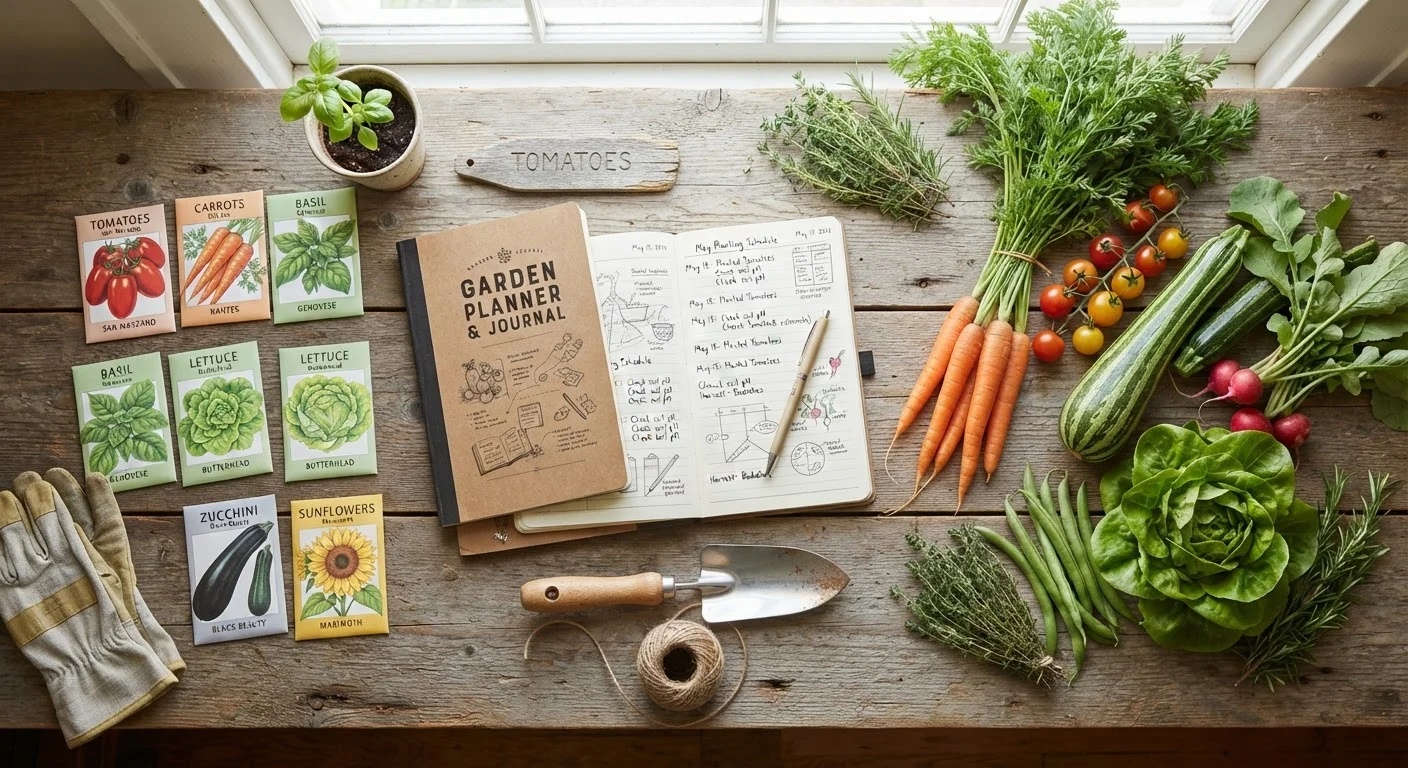
How to Use This Seasonal Reference
Gardening success depends less on instinct than on timing. This reference calendar organizes essential tasks by season - covering soil prep, planting windows, pruning, pest management, and winterizing - so you can act at the right moment rather than guessing. Tasks are structured around general U.S. climate patterns; always adjust based on your USDA hardiness zone and local frost dates, which vary significantly from the Pacific Northwest to the Southeast to the northern Midwest.
| U.S. Hardiness Zones | Zones 1-13 (coldest to warmest) (USDA Plant Hardiness Zone Map) |
| Average Last Spring Frost (Northern U.S.) | Mid-April to mid-May (Varies by location; verify locally) |
| Average Last Spring Frost (Southern U.S.) | Late January to mid-March (Varies by location; verify locally) |
| Ideal Soil pH for Most Vegetables | 6.0-7.0 (General horticultural guidance) |
| Mulch Depth Recommendation | 2-4 inches (University extension guidelines) |
| Lead Time for Starting Peppers Indoors | 10-12 weeks before transplant date (General seed-starting guidance) |
Whether you're managing perennial beds, annual borders, or vegetable plots, understanding seasonal rhythms is foundational. For help choosing which plants belong in each category, see our guide on perennials vs. annuals.
Spring (March-May): Preparing and Planting
Spring is the most active season for most home gardeners. Tasks cluster around soil readiness and getting plants established before summer heat arrives.
- Early spring (March): Test soil pH and amend with compost or lime as needed. Remove winter mulch gradually as nighttime temperatures stabilize above freezing. Cut back ornamental grasses and dead perennial stems.
- Mid-spring (April): Direct-sow cool-season crops - lettuce, spinach, peas, and radishes - once soil reaches at least 40°F. Divide overcrowded perennials. Prune spring-blooming shrubs after they flower, not before, or you'll remove the buds.
- Late spring (May): After your last frost date, transplant warm-season seedlings (tomatoes, peppers, squash). Mulch garden beds to lock in moisture and suppress weeds. Begin a regular watering schedule.
Regional Timing Always Takes Priority
This calendar reflects general patterns for temperate U.S. climates. Gardeners in USDA Zones 9-13 (Southern California, Florida, Hawaii, parts of Texas) follow a nearly inverted calendar - cool-season crops are grown in winter, and summers may prompt a rest period rather than peak planting. Always confirm timing against your local cooperative extension service's recommendations.
Spring is also an excellent time to address seasonal home maintenance tasks alongside your outdoor work.
Summer (June-August): Maintaining and Monitoring
Summer gardening shifts from planting to active management. Heat and drought stress are the primary threats, while fast-growing plants and pest pressure peak.
90°F+
Temperature threshold that stresses most cool-season crops
Above this temperature, lettuce, spinach, and peas typically bolt or decline rapidly.
2-3 inches
Weekly water needed by most vegetable gardens in summer
University cooperative extension programs generally recommend this range during peak summer heat.
6-8 weeks
Head start needed for fall brassica transplants
Broccoli, cabbage, and kale started indoors in July are typically ready to transplant by late August.
- June: Deadhead flowering annuals and perennials regularly to extend bloom time. Install drip irrigation or soaker hoses to reduce water waste. Watch for aphids, spider mites, and fungal diseases; increase airflow by thinning crowded plants.
- July: Harvest vegetables frequently - especially zucchini and beans - to keep plants producing. Side-dress heavy feeders like corn and tomatoes with compost. Plant a second succession of fast-maturing crops (lettuce, carrots) for fall harvest.
- August: Begin planting fall brassicas (broccoli, kale, cabbage) from transplants. Cut back leggy annuals by one-third to encourage a fresh flush of growth before frost. Note which plants performed well and which didn't - this informs next year's plan.
Fall (September-November): Closing Down and Building Up
Fall gardening is about two simultaneous goals: harvesting what's left and setting the stage for next year. Soil health work done in autumn pays dividends every spring.
- September: Plant spring-flowering bulbs (tulips, daffodils, alliums) before the ground freezes. Sow a cover crop - clover, winter rye, or buckwheat - in empty vegetable beds to prevent erosion and add organic matter.
- October: Cut perennials back to 3-4 inches or leave ornamental seed heads standing for winter wildlife habitat and visual interest. Apply a 2-3 inch layer of mulch around tree and shrub bases after the first hard frost to moderate soil temperature.
- November: Drain and store garden hoses. Clean and oil tools before putting them away. Bring tender container plants indoors before overnight temperatures drop consistently below 40°F.
For a structured approach to closing out the season, use our end-of-season garden shutdown checklist as a companion resource.
Winter (December-February): Planning and Rest
The garden rests, but the gardener doesn't have to. Winter is the best time to plan without time pressure and to handle tasks that the busy growing season crowds out.
- December-January: Review your garden notes and seed catalogs. Order seeds early - popular varieties sell out. Sketch next year's bed layout on paper, rotating vegetable families to reduce disease buildup in the soil.
- February: Start slow-growing seeds indoors - onions, leeks, and peppers need 10-12 weeks before transplanting. Check stored bulbs and tubers for rot; discard any that show soft spots or mold. Sharpen pruning shears and replace worn gloves.
Hardiness Zone
A USDA-designated geographic area defined by average annual minimum winter temperatures. Zones guide which perennial plants are likely to survive year-round in a given location.
Frost Date
The average calendar date of the last spring freeze or first fall freeze in a location. Planting and harvesting schedules are typically built around these dates.
Cover Crop
A fast-growing plant sown in bare garden beds to protect soil from erosion, suppress weeds, and add organic matter when tilled in. Common examples include winter rye and clover.
Deadheading
The practice of removing spent flowers from plants before they set seed. This signals the plant to continue producing blooms rather than directing energy into seed development.
Succession Planting
Planting the same crop in small batches every two to three weeks, rather than all at once, to stagger harvest and extend the productive season.
Side-Dressing
Applying fertilizer or compost alongside established plants during the growing season, rather than at planting time, to supply nutrients during peak demand.
Winter is also a good moment to cross-reference your calendar with other home systems. Many of the same seasonal rhythms that apply outdoors also guide indoor home maintenance priorities through the colder months.
The content provided on our blog site traverses numerous categories, offering readers valuable and practical information. Readers can use the editorial team’s research and data to gain more insights into their topics of interest. However, they are requested not to treat the articles as conclusive. The website team cannot be held responsible for differences in data or inaccuracies found across other platforms. Please also note that the site might also miss out on various schemes and offers available that the readers may find more beneficial than the ones we cover.