

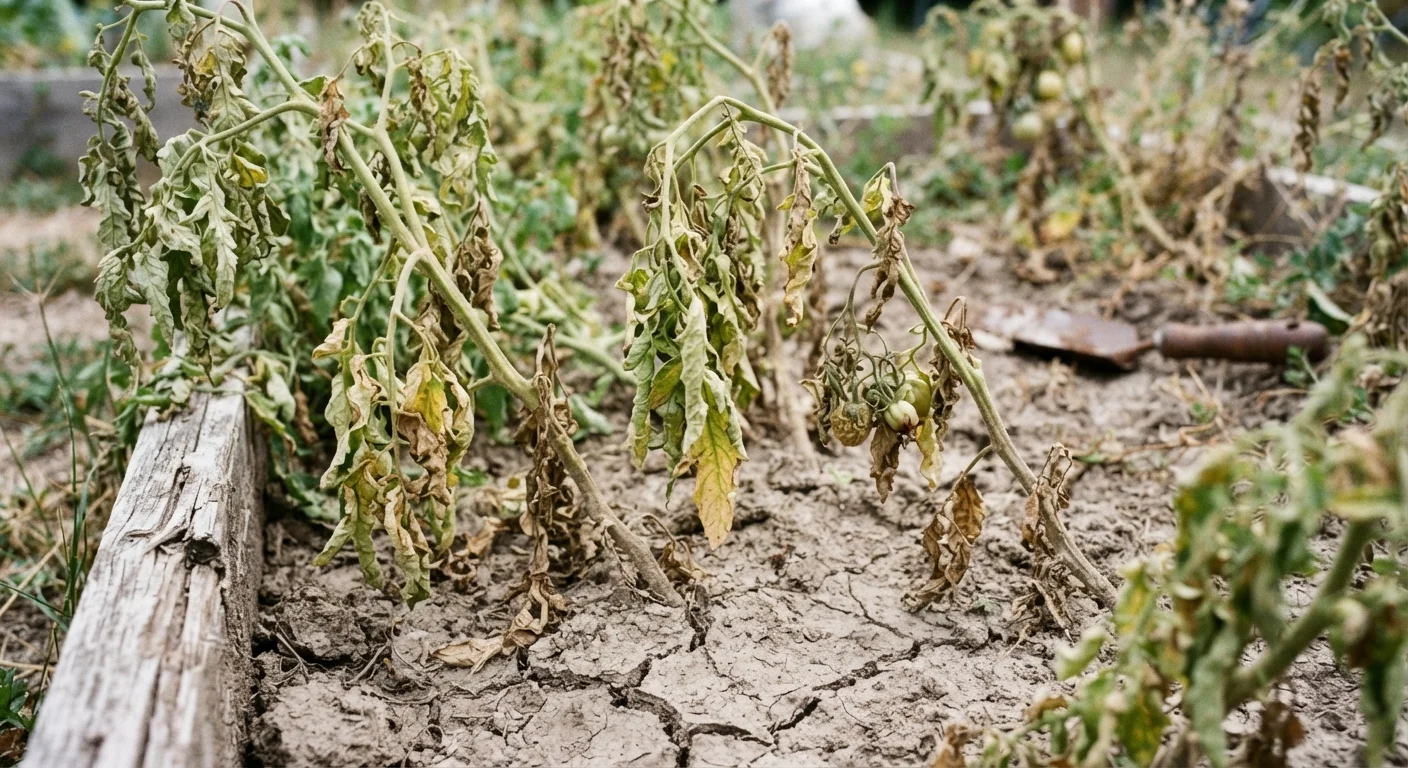
Why Watering Goes Wrong More Often Than You Think
Water is essential to every plant in your garden - but the way you deliver it matters just as much as whether you deliver it at all. Watering mistakes are among the leading causes of preventable plant death, yet they rarely look dramatic at first. Leaves yellow gradually. Growth stalls. A plant that seemed healthy two weeks ago quietly declines.
The frustrating part is that overwatering and underwatering often produce nearly identical symptoms: wilting, yellowing leaves, and stunted growth. Without understanding what's actually happening at the root level, it's easy to make the wrong correction and compound the damage. If you're also dealing with other hidden garden stressors, it's worth checking whether soil pH is affecting nutrient uptake - a factor that often works alongside poor watering to undermine plant health.
Check Soil Before Every Watering
The single most reliable watering tool you own is your finger. Push it two inches into the soil near the root zone. If it feels moist, hold off. If it's dry at that depth, water thoroughly. Relying only on visual cues like drooping leaves can lead to both chronic overwatering and underwatering.
The Most Damaging Watering Mistakes - and How to Correct Them
Most watering errors come down to habit rather than negligence. These are the patterns that silently undermine even well-planted gardens.
Watering on a fixed daily schedule regardless of actual soil conditions.
Why it happens: Daily watering feels responsible - it's easy to remember, and it seems like plants always need moisture. Many gardeners assume consistency equals care.
Applying water too shallowly, wetting only the top inch of soil.
Why it happens: Short watering sessions feel sufficient because the surface looks wet. Gardeners often underestimate how much water it takes to reach plant roots.
Watering late in the afternoon or evening, leaving foliage wet overnight.
Why it happens: Evening watering is convenient after work, and midday heat makes morning sessions feel impractical. Many gardeners don't connect wet foliage with disease problems.
Overwatering container plants by ignoring drainage and pot size.
Why it happens: Containers look dry on the surface quickly, especially in heat. Gardeners often water more frequently to compensate, not realizing water is pooling at the root zone.
Watering the foliage and surface rather than directing water to the root zone.
Why it happens: Overhead sprinklers and hose spraying are intuitive - plants look refreshed when wet. Directing water precisely to soil level takes more effort.
~50%
of landscape water lost to overwatering or runoff
The U.S. Environmental Protection Agency estimates that roughly half of outdoor water use is wasted through inefficient irrigation practices, including overwatering.
3×
longer soil moisture retention with mulch
Cooperative extension research from several U.S. land-grant universities indicates that organic mulch can reduce soil moisture evaporation by up to two-thirds compared to bare soil.
Mulch is one of the most effective tools for reducing how often you need to water. A two-to-three-inch layer of organic mulch slows evaporation dramatically, meaning soil holds moisture far longer between rain events or watering sessions. For a deeper look at why this matters, see how mulch retains moisture and supports soil health.
Plant type also plays a role in how you should water. Established perennials generally have deeper root systems than annuals and can tolerate longer intervals between watering. Understanding your plant mix helps you tailor your approach. Perennials and annuals have different water needs - a distinction worth knowing before you set a watering routine.
Building a Smarter Watering Routine
The best watering habits are built on observation, not routine. A few straightforward adjustments can protect your garden through the entire growing season.
- Test before you water: Make it a habit to check soil moisture two inches down before turning on a hose or sprinkler.
- Water deeply and less often: Aim for thorough soaking sessions that encourage roots to grow downward, where soil stays consistently moist longer.
- Time it right: Early morning is the ideal window - cool temperatures reduce evaporation and leaves dry before the heat of the day sets in.
- Adjust for rain: After significant rainfall, skip your scheduled session. Many gardeners overwater simply by ignoring what nature has already provided.
If you're putting together a new growing space and want to start with sound watering principles from day one, the guide to starting a vegetable garden from scratch covers soil prep and plant spacing decisions that directly affect how you'll need to water. Avoiding these common mistakes from the start is far easier than correcting damage after it's done.
The content provided on our blog site traverses numerous categories, offering readers valuable and practical information. Readers can use the editorial team’s research and data to gain more insights into their topics of interest. However, they are requested not to treat the articles as conclusive. The website team cannot be held responsible for differences in data or inaccuracies found across other platforms. Please also note that the site might also miss out on various schemes and offers available that the readers may find more beneficial than the ones we cover.