

Our Verdict
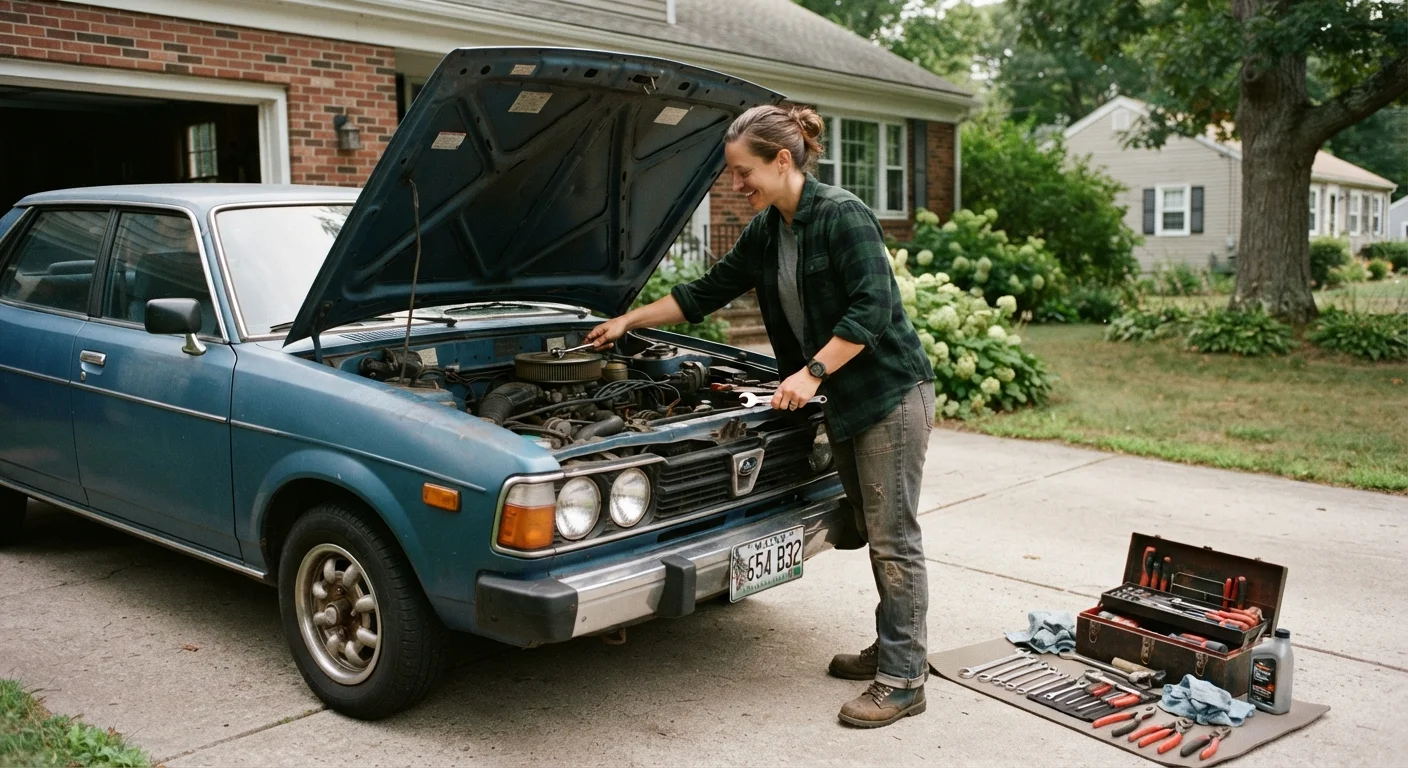
DIY car maintenance makes sense for routine, low-risk tasks that require basic tools and minimal mechanical knowledge. For anything touching braking performance, structural integrity, or complex electrical systems, a qualified mechanic is the safer and often more cost-effective choice. Matching the job to your skill level is the key to confident, responsible car ownership.
| Best for | Recommended |
|---|---|
| Drivers comfortable with basic tools and routine checks | DIY maintenance |
| Jobs involving safety-critical systems like brakes or suspension | Professional mechanic |
| First-time car owners building confidence gradually | Start DIY, escalate to pro as needed |
Why the DIY vs. Pro Question Matters
Car ownership costs add up quickly, and the appeal of handling maintenance yourself is real. But not all tasks carry the same risk profile. Some jobs genuinely empower drivers to save money and stay in tune with their vehicle's health. Others - attempted without the right tools, training, or safety equipment - can result in injury, vehicle damage, or a safety failure on the road.
The honest answer isn't "always DIY" or "always use a shop." It's a task-by-task assessment based on complexity, required tools, and the consequences of getting it wrong. See our maintenance overview for first-time drivers for a broader foundation, and check our guide on keeping annual car costs under control for context on where maintenance fits your overall budget.
Tasks Most Drivers Can Handle Safely
The following jobs are widely considered appropriate for drivers with basic mechanical comfort, a few common tools, and a willingness to follow their owner's manual carefully.
- Checking and topping off fluids: Engine oil, coolant, brake fluid, power steering fluid, and windshield washer fluid all have clearly marked reservoirs. Checking levels and topping them off - not performing a full flush - is a straightforward, low-risk habit.
- Replacing the engine air filter: On most vehicles, the air filter housing is easily accessible and requires no special tools. A clogged filter reduces efficiency; swapping it out is a 10-minute job for most cars.
- Changing wiper blades: Blade replacement is simple, inexpensive, and directly affects visibility. Most blades clip on without tools.
- Checking tire pressure: A quality gauge costs a few dollars, and knowing your vehicle's correct PSI (found on the door jamb sticker, not the tire sidewall) is a fundamental safety habit. See why tire pressure matters more than most drivers realize.
- Replacing a cabin air filter: Usually located behind the glove box, this filter affects interior air quality and HVAC performance. Replacement typically takes under 15 minutes.
- Swapping a dead battery: If you're comfortable working around a battery - wearing gloves, disconnecting the negative terminal first - this is manageable for most drivers. However, some modern vehicles have battery systems that require a reset procedure; check your manual first.
Start With Your Owner's Manual
Before attempting any maintenance task, confirm the procedure in your vehicle's owner's manual. It specifies the correct fluid types, filter part numbers, and service intervals for your exact car - not a generic approximation. Many drivers skip this step and end up using the wrong products or incorrect specifications.
Tasks That Belong in a Professional's Hands
These jobs are either technically complex, require specialized equipment, or carry consequences serious enough that an error could compromise your safety - or someone else's on the road.
- Brake system work: Brake pad replacement might look straightforward in an online video, but proper brake service involves inspecting rotors, calipers, and hydraulic lines, torquing components to spec, and bedding the pads correctly. An improperly serviced brake system can fail without warning.
- Suspension and steering components: Ball joints, tie rods, and wheel bearings affect how your vehicle handles and stops. Incorrect installation can make a car dangerously unpredictable. An alignment is also required after most suspension work - equipment that no home garage has.
- Timing belt or chain service: This is an interference-engine job where incorrect timing can destroy an engine. It requires precise tools and deep mechanical knowledge.
- Transmission service or repair: Modern automatic and CVT transmissions are highly complex. Fluid changes on some vehicles are straightforward, but anything beyond that should go to a specialist.
- High-voltage systems on hybrids and EVs: The high-voltage battery systems in hybrid and electric vehicles can deliver lethal current. These systems must only be serviced by trained technicians with proper equipment.
- Airbag or SRS system work: Accidental deployment during service can cause serious injury. Any work near airbag components requires professional handling.
Don't Let Confidence Outpace Your Skill Level
Online tutorials make complex jobs look deceptively simple. Camera angles hide tight clearances, torque specifications, and the experience required to recognize when something is wrong. If a job involves your brakes, steering, or any safety-critical system, the consequences of an error extend beyond your own vehicle to other road users. When in doubt, get a professional assessment first.
When you do take your vehicle in, knowing how to evaluate a shop matters. Our guide to what to ask a new mechanic before work begins will help you make a confident choice.
How to Decide: A Practical Framework
Before starting any maintenance task yourself, run through these four questions:
- Do I have the right tools? Improvising with the wrong equipment increases the chance of injury or damage. A torque wrench, for example, isn't optional on brake or wheel work.
- Can I verify the correct procedure for my exact vehicle? General YouTube tutorials don't always match your specific make, model, and year. Your owner's manual - and manufacturer-specific resources - should always take precedence. See what your owner's manual actually tells you about service intervals.
- What's the consequence of getting it wrong? A poorly installed wiper blade is an inconvenience. A poorly installed brake caliper is a safety emergency. Weight the stakes honestly.
- Will DIY actually save money here? Factor in parts, tools you don't already own, and the cost of fixing a mistake. Sometimes professional labor is genuinely the more economical path. Be wary of common maintenance myths that can cost you money when making that call.
| DIY-Appropriate Tasks | Leave to a Professional | |
|---|---|---|
| Skill level required | Basic; follows manual instructions | Intermediate to advanced technical knowledge |
| Specialized tools needed | Minimal - basic hand tools or none | Often required (torque wrench, lift, diagnostic equipment) |
| Safety risk if done wrong | Low - inconvenience or minor damage | High - potential injury or road safety failure |
| Cost to DIY | Low parts cost, no labor | N/A - professional service recommended |
| Examples | Air filter, wiper blades, tire pressure, fluids | Brakes, suspension, timing belt, EV systems |
| Verifiable via owner's manual | Yes - procedure often included | Partial - professional specs and tools still required |
The content provided on our blog site traverses numerous categories, offering readers valuable and practical information. Readers can use the editorial team’s research and data to gain more insights into their topics of interest. However, they are requested not to treat the articles as conclusive. The website team cannot be held responsible for differences in data or inaccuracies found across other platforms. Please also note that the site might also miss out on various schemes and offers available that the readers may find more beneficial than the ones we cover.