

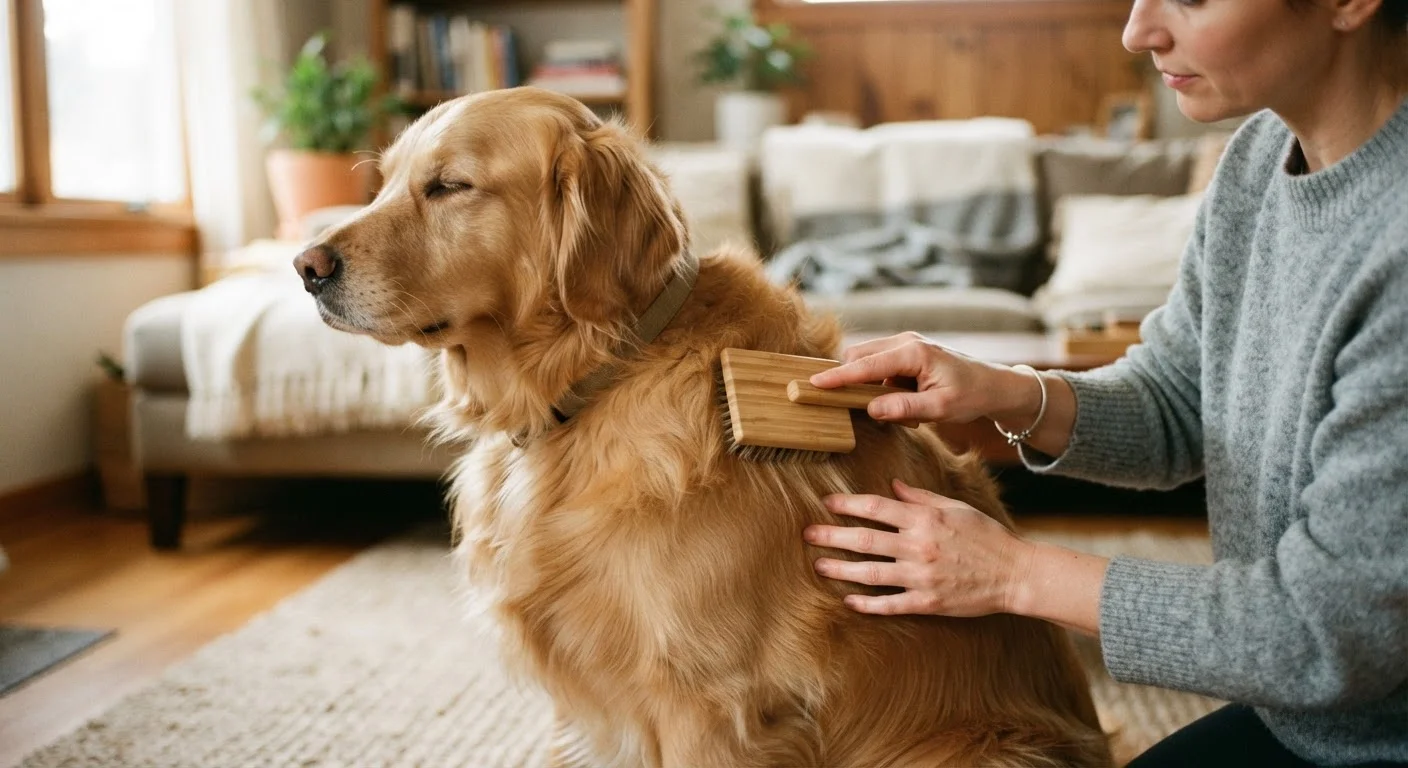
Why Some Pets Resist Brushing
Resistance to grooming is extremely common and almost always rooted in one of three things: a lack of early exposure, a past negative experience, or physical discomfort from mats, skin conditions, or sensitive areas. Understanding the cause shapes how you approach the solution.
Dogs and cats that weren't handled frequently as young animals often find restraint and repeated physical contact genuinely alarming — not defiant. Their reaction is a communication, not a personality flaw. As explained in our guide to reading pet behavior from day one, animals rely heavily on body language cues to assess safety, and a brush bearing down on them without warning can feel like a threat.
Well-meaning owners can also accidentally make resistance worse. Coaxing a pet back to the brush after it bolts, or offering treats only after a struggle, can reinforce exactly the behaviors you want to reduce. Our article on how owners unintentionally reinforce problem behaviors goes deeper on this dynamic.
Know When to Seek Professional Help
If your pet growls, bites, scratches aggressively, or shows signs of extreme panic during brushing, do not force the session. These reactions can indicate fear-based aggression or underlying pain that routine desensitization alone won't resolve. A veterinarian can rule out medical causes, and a certified professional animal trainer or veterinary behaviorist can create a safe, individualized plan.
Whatever the underlying cause, the approach is the same: move slowly, keep sessions short, and always let your pet's behavior — not your schedule — set the pace.
What You'll Need Before You Start
Choosing the right tools matters. A brush that pulls or scratches will undermine every positive step you take. For short-coated dogs and cats, a rubber grooming mitt is often the least threatening starting point — it feels more like a hand massage than a grooming tool. Medium and long coats typically benefit from a slicker brush, and a wide-tooth comb helps verify that no mats remain after brushing.
What you will need
Slicker brush
Removes loose fur and light tangles from medium to long coats on dogs and cats.
Grooming comb
Detangles and checks for mats after brushing, especially useful for longer or denser coats.
Rubber grooming mitt
A gentler alternative for short-coated pets or as a first-step desensitization tool for very anxious animals.
High-value treats
Provides positive reinforcement that builds a favorable association with the brush and grooming process.
Non-slip mat
Keeps pets stable on slippery surfaces, reducing anxiety caused by feeling unsteady during grooming.
Set up in a quiet room your pet already associates with safety and relaxation. Avoid bathrooms, which many pets associate with baths, or high-traffic areas where unexpected interruptions can spike anxiety. Once grooming becomes routine, you can incorporate bathing into the same calm-handling framework.
Step-by-Step: Building Tolerance Gradually
Let your pet investigate the brush first
Place the brush on the floor or hold it at your pet's nose level and let them sniff it freely. Reward any calm investigation with a treat and quiet praise. Repeat this over one or two sessions — or more — until your pet shows no stress signals (flattened ears, retreating, tail tucking, hissing) around the brush.
Touch your pet with the brush handle — not the bristles
Once your pet is comfortable with the brush's presence, use the non-bristle end to touch your pet gently on the back or shoulder — areas most pets tolerate well. Pair every touch with a treat. This stage is about associating physical contact from the brush with good things, not about grooming yet.
Introduce one or two gentle bristle strokes
With your pet calm and treat-ready, make one or two short, light strokes with the bristles along the back or side. Go with the direction of coat growth. Immediately offer a treat and verbal praise. Stop there — even if your pet seems fine. Ending on a positive note before your pet's tolerance is tested is what builds a reliable positive association over time.
Gradually extend session length over multiple days
Only once your pet accepts two or three strokes without signs of stress should you slowly add more strokes per session — and only a few at a time. Progress at your pet's pace, not yours. Some pets move through this in a week; others need several weeks of short daily sessions. Consistent, brief sessions outperform occasional long ones in building lasting comfort.
Work toward problem areas last
Once your pet tolerates routine brushing along the back and sides, gradually introduce sensitive zones — legs, belly, ears, tail — one area per session. Always treat generously for calm acceptance in these spots. For mats, work from the tip of the fur toward the skin in small sections rather than dragging the brush through, which is painful and will set back your progress significantly.
End every session before your pet hits its limit
Watch for early stress signals: lip licking, yawning, looking away, skin twitching, or a low swishing tail in cats. These mean your pet is approaching its threshold. End the session with a treat and calm praise before these cues escalate. Finishing while your pet is still relaxed is the single most important habit for long-term grooming success.
Timing Makes a Difference
Schedule brushing sessions after exercise or active play, when your pet is naturally calmer and more inclined to settle. Avoid grooming right before or after stressful events like car trips or vet visits. Consistent timing — same spot, same time of day — also helps pets anticipate and accept the routine.
Patience is the non-negotiable ingredient here. Rushing through these steps because your pet seems okay is one of the most common reasons progress stalls. When in doubt, repeat a stage rather than advancing. The same gradual desensitization approach translates well to other handling situations — including preparing your pet to stay calm at the vet.
Never Restrain a Panicking Pet
Physically holding down a struggling dog or cat can escalate fear and permanently damage the trust between you. It also puts both of you at risk of injury. If your pet is actively trying to escape, end the session calmly and try again later with a smaller, less threatening step.
The content provided on our blog site traverses numerous categories, offering readers valuable and practical information. Readers can use the editorial team’s research and data to gain more insights into their topics of interest. However, they are requested not to treat the articles as conclusive. The website team cannot be held responsible for differences in data or inaccuracies found across other platforms. Please also note that the site might also miss out on various schemes and offers available that the readers may find more beneficial than the ones we cover.