

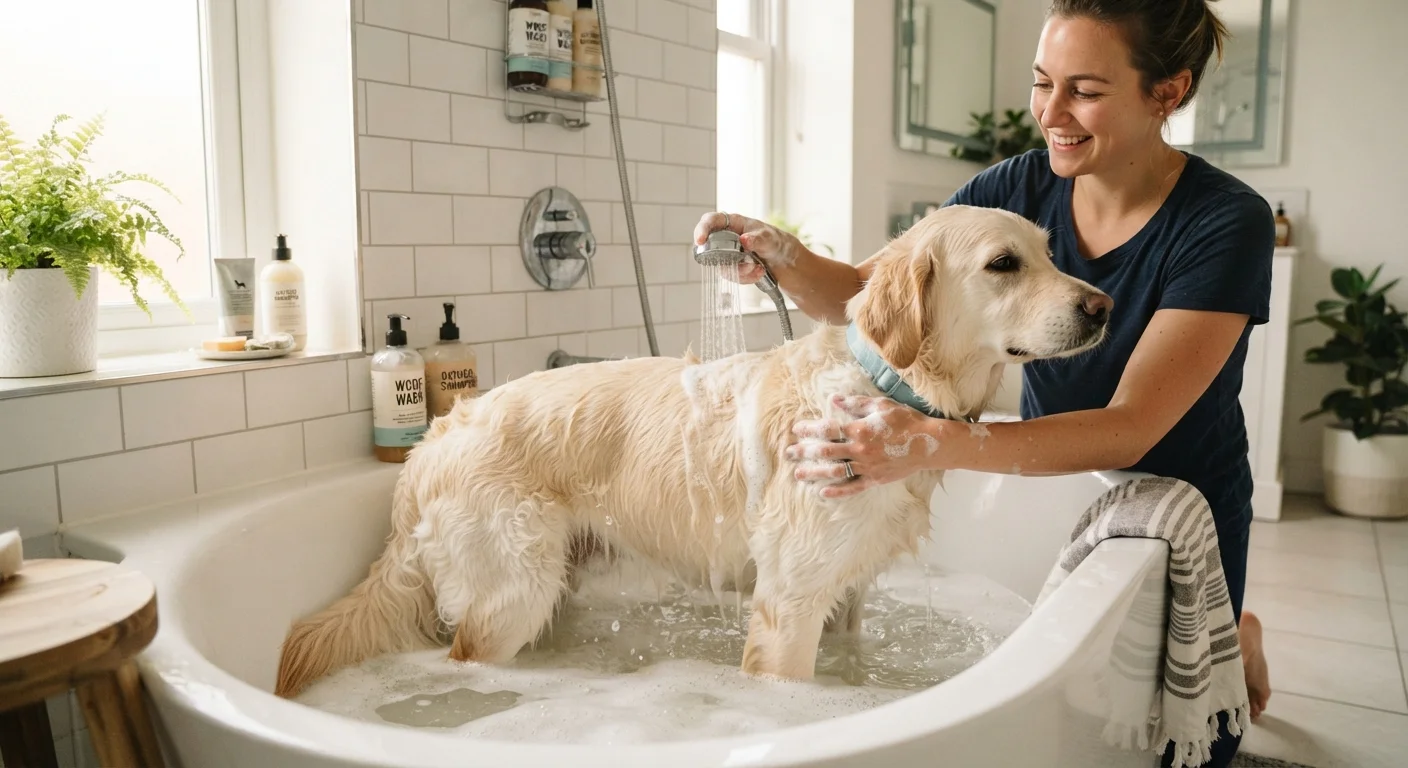
How Often Should You Bathe Your Pet?
Bathing frequency depends on species, coat type, lifestyle, and individual skin health. Most healthy dogs benefit from a bath roughly every four to six weeks, though dogs that swim frequently, roll outdoors, or have certain skin conditions may need more or less frequent washing — a conversation best had with your veterinarian. As a general principle, over-bathing strips the natural oils that keep a dog's coat and skin healthy.
Cats are a different matter entirely. Healthy adult cats are fastidious self-groomers and rarely need human-assisted baths. Exceptions include cats that are elderly or mobility-impaired, those that have gotten into something hazardous, or specific situations guided by a veterinarian. If you share your home with a cat, managing grooming is part of the broader set of everyday habits that support long-term pet health.
What you will need
Setting Up for a Calm, Safe Bath
Chaos during bath time usually traces back to poor preparation rather than an uncooperative pet. A pet that slips, gets blasted with cold water, or experiences shampoo in its eyes will be harder to bathe — and more resistant — every time after. Setting up correctly before the animal enters the room eliminates most of these triggers.
Understanding your pet's stress signals also helps you intervene before anxiety escalates. If your dog or cat is new to bathing, or new to you, it may help to review the fundamentals in our guide on understanding pet behavior from day one. Recognizing early discomfort cues allows you to slow down or pause rather than push through and create a negative association.
Pet-safe shampoo
Cleanses the coat without disrupting the animal's natural skin pH.
Non-slip bath mat
Prevents slipping in the tub or sink, reducing stress and injury risk.
Handheld sprayer or pitcher
Allows controlled, gentle rinsing without startling the pet.
Absorbent microfiber towels
Speeds drying time and reduces post-bath chilling.
Pet-safe blow dryer or low-heat hair dryer
Helps fully dry thick or double coats that air-dry slowly.
Detangling spray
Loosens mats and knots before wetting, which can tighten tangles.
Step-by-Step Bathing Instructions
Follow these steps in order for a thorough, safe bath. Skipping ahead — particularly skipping the pre-bath brush or rushing the rinse — is where most problems originate.
Brush your pet thoroughly before getting them wet
Water tightens tangles and mats, making them significantly harder to remove after the bath. Work through the entire coat with a brush or comb suited to your pet's fur type before any water is involved. Pay particular attention to behind the ears, under the legs, and around the collar area — common spots where mats form unnoticed.
Prepare the bathing area and water temperature
Place a non-slip mat in the tub or sink to give your pet stable footing — a slipping animal panics quickly. Run the water before bringing your pet into the room and check the temperature with your wrist or inner forearm; it should feel comfortably warm, not hot. Aim for roughly body-temperature water (around 100–102°F for dogs). Gather all your supplies within arm's reach so you never have to leave the animal unattended.
Wet the coat completely — but protect the face and ears
Use your handheld sprayer or pitcher to saturate the coat from the neck down, working the water down to the skin rather than just the outer fur. Keep water out of the ears — trapped moisture inside the ear canal is a common trigger for infections, especially in floppy-eared dogs. Wipe the face separately with a damp cloth rather than spraying directly.
Apply shampoo and work it into the coat
Dispense a small amount of pet-specific shampoo into your palm and lather it before applying. Work from the neck toward the tail, then down the legs, massaging gently down to the skin. Use a separate, diluted amount around the face if needed, keeping product away from eyes and mouth. Follow the label instructions — many medicated or specialty shampoos require a set contact time before rinsing.
Rinse thoroughly until the water runs clear
Shampoo residue left in the coat is one of the most common causes of post-bath itching and skin irritation. Rinse longer than you think is necessary, especially through thick undercoats. Part the fur with your fingers as you rinse to confirm you're reaching the skin. If you use a conditioner, apply it after rinsing the shampoo, leave it for the recommended time, and rinse again completely.
Dry your pet properly from skin outward
Wrap your pet in a dry towel immediately after the bath and press — don't rub vigorously, which can cause tangling and discomfort. Replace the towel once it's saturated. For short-coated animals, air drying in a warm room is usually sufficient. For dogs with dense or double coats, a pet-safe dryer on a low-heat setting helps prevent the coat from staying damp close to the skin, which can lead to irritation or odor. Keep the dryer moving and hold it at a safe distance.
Make Baths a Positive Experience
Offer small treats throughout the process and keep your voice calm and low. Ending every bath with a reward your pet genuinely enjoys — a favorite toy, a brief play session, or a special treat — creates a positive association that compounds over time. For pets with high anxiety around grooming, see our guide on handling anxious grooming sessions.
Never Use Human Shampoo on Pets
Human shampoos — including baby formulas — are formulated for human skin pH, which is much more acidic than a dog's or cat's. Using them regularly can strip the natural oils from your pet's coat, cause dryness, and lead to itching or flaking. Always choose a shampoo labeled for the specific species you're bathing.
After the Bath: What to Watch For
Once your pet is dry, do a quick visual check of the skin, particularly in areas prone to irritation: the armpits, groin, and any skin folds. Mild pinkness that fades within an hour is usually normal. Persistent redness, flaking, or scratching that continues into the following day warrants a call to your veterinarian.
Keeping bath time low-stress is also directly connected to how your pet handles other handling situations — including veterinary exams. Pets acclimated to being touched, managed calmly, and rewarded during grooming tend to cope better in clinical settings. For more on that connection, see our guide to preparing your pet for a vet visit without the stress.
Watch for Skin Reactions After Bathing
If your pet develops redness, excessive scratching, hair loss, or seems unusually uncomfortable after a bath, stop using the current product and consult your veterinarian. These signs may indicate a skin condition, an allergic reaction, or an underlying health issue that warrants professional evaluation.
This article provides general pet care information for educational purposes only and is not a substitute for veterinary advice. Consult a licensed veterinarian for guidance specific to your pet's health and needs.
The content provided on our blog site traverses numerous categories, offering readers valuable and practical information. Readers can use the editorial team’s research and data to gain more insights into their topics of interest. However, they are requested not to treat the articles as conclusive. The website team cannot be held responsible for differences in data or inaccuracies found across other platforms. Please also note that the site might also miss out on various schemes and offers available that the readers may find more beneficial than the ones we cover.