

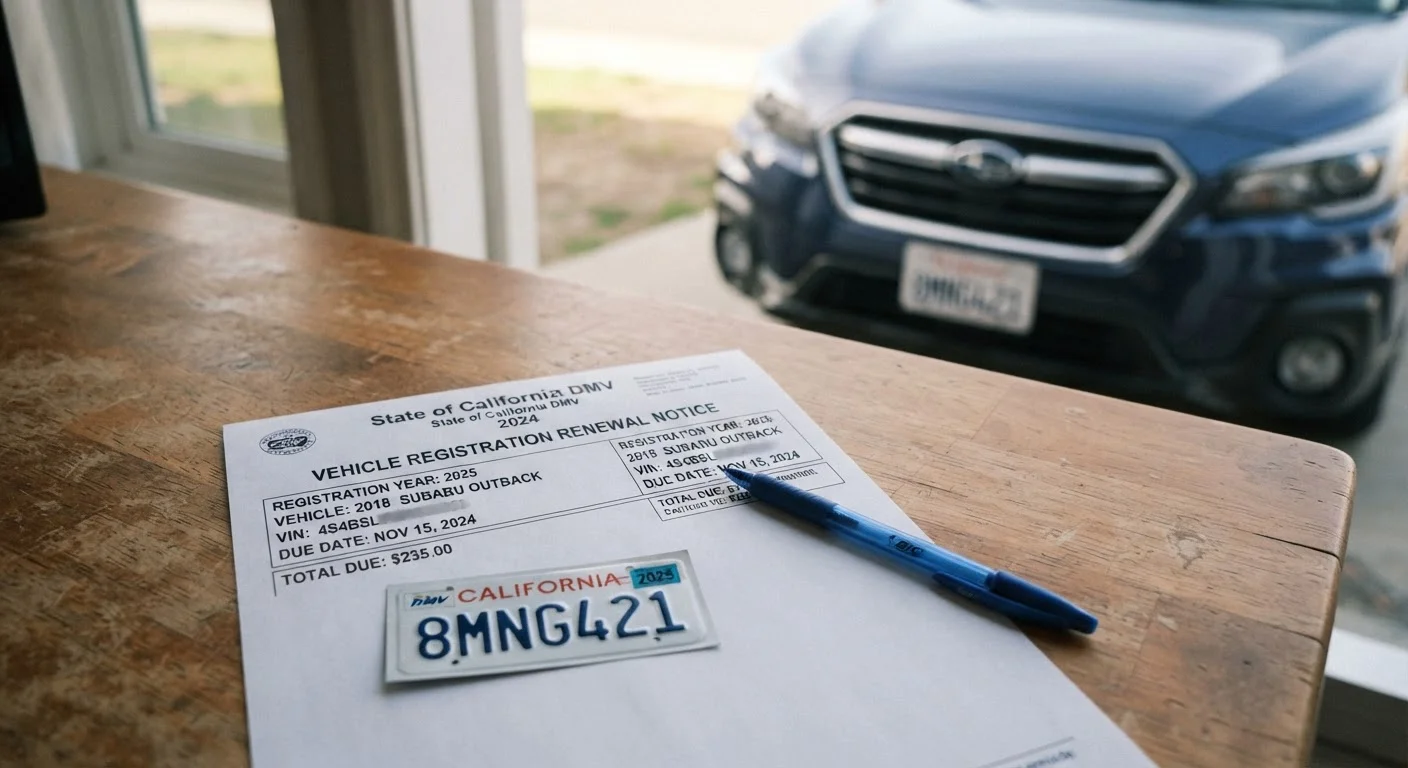
What Registration Fees Are Actually Paying For
When you write a check to your state's DMV at registration time, that money doesn't disappear into a bureaucratic black hole. Registration fees are a core funding mechanism for surface transportation. The majority of revenue goes toward maintaining and repairing public roads and highways, funding state departments of transportation, and covering the administrative costs of the DMV itself - processing titles, issuing plates, and maintaining vehicle records.
Some states earmark a share of registration revenue for specific purposes: California, for example, directs a portion toward air quality programs and public transit. Others use a single general transportation fund that covers everything from pothole repair to bridge inspection. The breadth of what registration supports is one reason states guard their fee structures closely - it's a significant and reliable revenue stream.
$50-$500+
Typical annual registration fee range by state
Fees vary widely based on state formulas, vehicle value, and local add-ons - with value-based states often charging the most for newer vehicles.
50
Separate state registration systems in the U.S.
Every state administers its own vehicle registration program with independent fee structures, renewal cycles, and requirements.
30-90 days
Typical window to register after moving states
Most states require new residents to transfer their vehicle registration within 30 to 90 days of establishing residency.
Think of registration as an annual user fee for the road network. Like tolls or fuel taxes, it connects vehicle ownership to the public infrastructure that makes driving possible. As part of the full cost of car ownership, registration is often underestimated during the buying process.
Why Fees Differ So Much from State to State
No two states calculate registration fees the same way, and the difference between the least and most expensive states can be hundreds of dollars per year for the same vehicle. Several key variables explain this variation:
- Vehicle value: States like California, Colorado, and Montana base a significant portion of the fee on the vehicle's market or assessed value. A new luxury SUV can cost over $500 to register in these states, while an older economy car costs far less.
- Vehicle weight: Many states charge heavier vehicles more, reflecting their greater impact on road wear. This especially affects trucks and larger SUVs.
- Vehicle age: Some states reduce fees as a vehicle ages, acknowledging declining value. Others charge flat fees regardless of age.
- State funding priorities: States with underfunded transportation budgets or higher infrastructure demands may set higher baseline fees.
- Local add-ons: Counties and cities in some states tack on their own fees for local road projects or transit systems, increasing the total bill.
Check Your State's Fee Calculator Before You Buy
Most state DMV websites offer an online fee estimator that lets you calculate registration costs by vehicle year, make, and value. Running this estimate before purchasing - especially for a new or high-value vehicle - can prevent sticker shock at the DMV window. It takes less than five minutes and is one of the most practical steps in any vehicle purchase.
Just as traffic laws vary dramatically by state, registration rules and costs reflect each state's independent approach to transportation policy. There's no federal standard.
The Registration Process: What to Expect
Regardless of where you live, the general registration process follows a predictable pattern. When purchasing a vehicle - new or used - the dealer typically handles initial registration paperwork and collects applicable fees at closing. Private-party purchases require the buyer to visit the DMV directly, presenting the signed title, proof of insurance, and payment.
Annual renewal is usually handled by mail, online, or in person. Most states mail a renewal notice 30 to 60 days before expiration. You'll need to confirm your address is current with the DMV to receive it. In many states, a passed emissions or safety inspection is required before renewal is approved - a detail that can catch drivers off guard. The most common reasons registrations get rejected include failed inspections, unpaid fees, and missing documentation.
Registration and Titling Are Not the Same
A vehicle title is the legal document proving ownership, while registration authorizes you to operate the vehicle on public roads. When buying a vehicle, you typically handle both simultaneously, but they serve different legal purposes and involve separate documents. If you're purchasing a used vehicle privately, confirm the title is clear of liens before completing the transaction.
Before purchasing a vehicle - especially from out of state - it's worth estimating registration costs in your home state. Use the new car purchase checklist to factor registration into your total budget before signing anything.
Once registered, keep your registration document in the glove compartment. Law enforcement may request it during any traffic stop, and failing to produce it can result in additional citations even if your registration is technically current.
Special Situations That Affect Registration Costs
Certain vehicle types and ownership circumstances can meaningfully change what you pay. Electric vehicles (EVs) are a notable example: because EV owners pay no fuel taxes - traditionally a major road-funding mechanism - many states have introduced supplemental registration fees for EVs to compensate. These fees range from modest to substantial depending on the state.
Antique and historic vehicles often qualify for reduced fees or special plates, though they may face restrictions on regular use. Commercial vehicles, RVs, and trailers typically fall under separate fee schedules, often based on gross vehicle weight rating (GVWR) rather than market value.
If you're financing a vehicle, note that lenders typically require proof of registration and insurance before releasing the car. Understanding the full administrative picture - including how registration interacts with insurance premiums - helps you plan for the true ongoing cost of vehicle ownership, not just the purchase price.
Frequently Asked Questions
States set their own fee structures based on funding needs, political priorities, and the formulas they use to calculate fees. States like California and Montana tie fees to vehicle value, meaning newer or more expensive cars cost significantly more to register. Others charge simple flat rates regardless of the vehicle.
Registration fees primarily fund state transportation departments, road maintenance, bridge repairs, and DMV operations. In many states, a portion also supports public transit programs or environmental initiatives such as emissions inspection infrastructure.
The portion of your registration fee based on the vehicle's value may be deductible as a personal property tax on your federal return if you itemize deductions. The flat fee portion typically is not deductible. Consult a qualified tax professional for guidance specific to your situation.
Driving with an expired registration is a traffic violation in every state. Penalties range from a warning or modest fine to vehicle impoundment, depending on how long the registration has been expired and your state's laws.
No - you must register your vehicle in your new state of residence, typically within 30 to 90 days of establishing residency. You'll need to surrender your old plates, obtain a new title if required, and pay that state's registration fees.
The content provided on our blog site traverses numerous categories, offering readers valuable and practical information. Readers can use the editorial team’s research and data to gain more insights into their topics of interest. However, they are requested not to treat the articles as conclusive. The website team cannot be held responsible for differences in data or inaccuracies found across other platforms. Please also note that the site might also miss out on various schemes and offers available that the readers may find more beneficial than the ones we cover.