

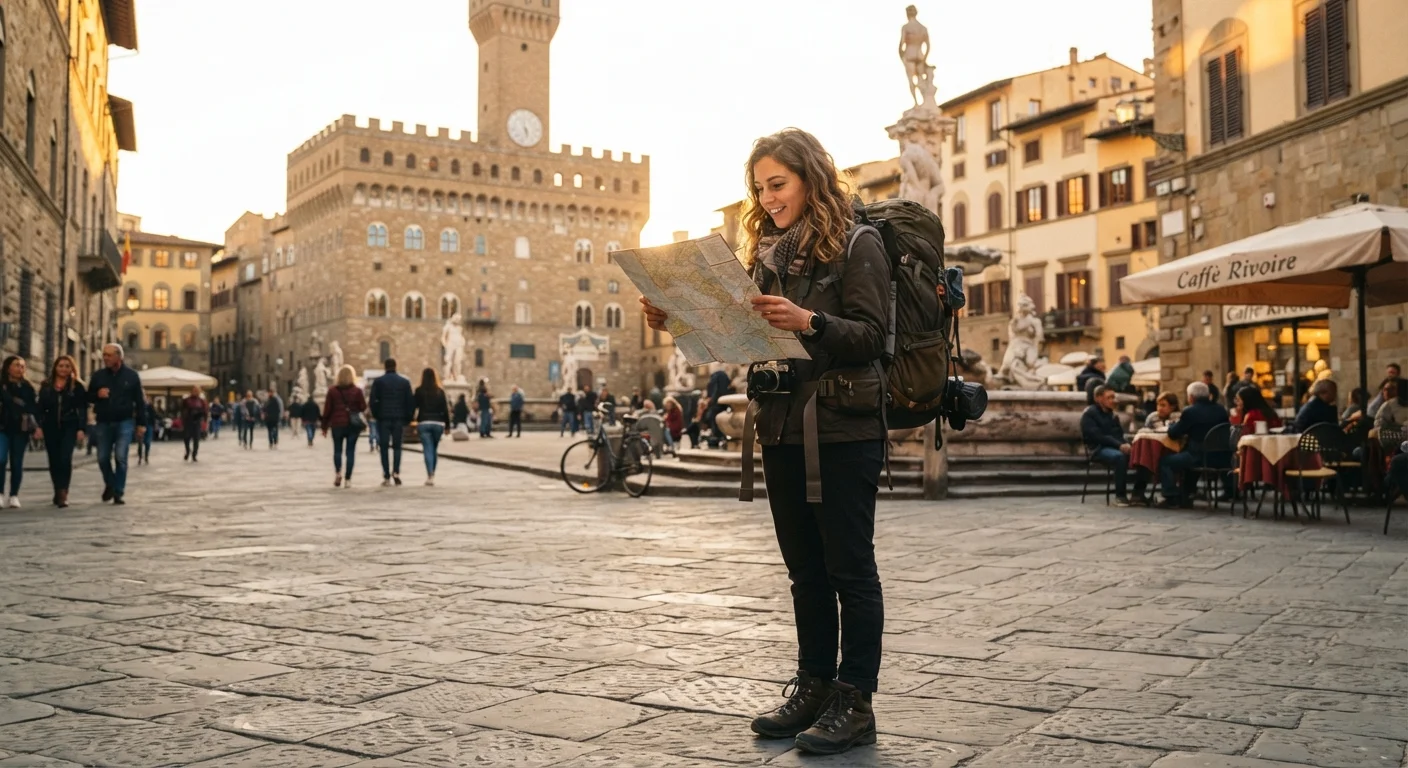
Our Verdict
Solo international travel rewards the well-prepared and the genuinely curious. The freedom to set your own pace, follow unexpected detours, and engage with locals on your own terms is hard to replicate in a group. But the trade-offs — solo surcharges, safety vigilance, and occasional loneliness — are real and deserve honest consideration before you book.
Best suited to self-directed travelers who are comfortable with uncertainty, willing to do thorough pre-trip research, and eager for immersive, unscripted experiences abroad.
What 'Going It Alone' Actually Means Overseas
Solo international travel — boarding a plane without a travel companion and navigating a foreign country entirely on your own terms — is one of the most transformative things an American can do. It's also one of the most misunderstood. Before diving into the trade-offs, it helps to be clear about what we're actually talking about.
Going solo doesn't mean being isolated. Hostels, group day tours, language exchanges, and coworking cafés all put solo travelers in contact with people constantly. What it does mean is that every logistical call — when to move on, where to eat, how much to spend, when to stay safe — lands squarely on you. That's exhilarating for some travelers and exhausting for others. The myths around solo travel often cut both ways: it's neither as dangerous as anxious relatives suggest nor as effortlessly glamorous as social media implies.
Register Before You Go
The U.S. Department of State's Smart Traveler Enrollment Program (STEP) is a free service that registers your trip with the nearest U.S. embassy or consulate. In the event of a natural disaster, civil unrest, or personal emergency, it allows the embassy to contact you and your designated emergency contact. Solo travelers should treat enrollment as a standard pre-departure step, not an optional one.
The Real Advantages of Traveling Abroad Alone
Solo travel's greatest gift is radical flexibility. When you're the only stakeholder, your itinerary bends around your interests, energy, and curiosity rather than a committee decision. Stumble onto a fascinating village market? Stay three hours. Hate a destination you'd planned on? Leave early. This kind of spontaneous responsiveness is almost impossible in a group, and it frequently produces the most memorable travel stories.
Total schedule flexibility, no compromise required
Every decision — pace, destination, daily rhythm — reflects only your preferences. This often leads to richer, more personally meaningful experiences than group travel allows.
Deeper connections with locals and fellow travelers
Solo travelers are more approachable and more likely to accept invitations. Many report authentic interactions that simply don't happen when you're insulated inside a travel group.
Profound personal growth and self-reliance
Navigating unfamiliar systems, languages, and situations alone builds genuine confidence. Many travelers describe a solo international trip as a turning point in their sense of capability.
Freedom to pivot based on local knowledge
When a fellow traveler or local tips you off to a hidden gem, you can act on it instantly — no group consensus needed, no pre-paid tour to consider.
Full control over budget and spending priorities
You decide where to splurge and where to scrimp without negotiating with others. That autonomy lets you align your spending with what actually matters to you.
There's also a compelling cultural depth argument. Traveling alone makes you more approachable to locals and more willing to accept help or conversation — because you don't have a companion to retreat into. Many solo travelers report forming genuine friendships abroad that group tourists simply never encounter. If you're curious about how destination choice shapes that experience, our look at Southeast Asia versus Western Europe explores how dramatically different the social dynamics can be.
The Honest Disadvantages You Should Know
The trade-offs are real, and glossing over them doesn't serve anyone. Cost is often the first surprise: hotels charge per room, not per person, meaning solo travelers routinely pay 50–100% more per night than they would splitting a room. That solo premium adds up fast over a multi-week trip.
Solo supplement inflates accommodation costs significantly
Hotels and many tours charge per room or per group, not per person. A solo traveler can pay 50–100% more per night than someone splitting a room, eroding budget over a long trip.
Safety vigilance falls entirely on you
There's no companion to watch your bag, notice if something feels off, or assist in an emergency. Higher situational awareness is a constant, tiring responsibility.
Loneliness can surface unexpectedly
Evenings, long travel days, and culturally significant meals can feel isolating without someone to share them with. Even experienced solo travelers report waves of loneliness.
All logistics and decisions are your responsibility
Missed connections, confusing transit systems, and language barriers land entirely on your shoulders. Decision fatigue is a real and underappreciated challenge on extended solo trips.
Medical or safety emergencies are harder to manage alone
Falling ill or encountering a security situation without a companion nearby significantly raises the stakes. Travel insurance and emergency contacts become especially critical.
Safety is the other unavoidable topic. Risk profiles vary enormously by destination, neighborhood, time of day, and traveler profile — particularly for women and LGBTQ+ travelers. The U.S. Department of State publishes travel advisories for every country; checking them before booking — and again before departure — is non-negotiable. It's also worth understanding what travel insurance actually covers in a medical or security emergency, since navigating a foreign hospital alone is a very different experience than doing so with a companion.
Logistics That Catch Solo Americans Off Guard
Beyond cost and safety, a handful of practical realities catch first-time solo international travelers by surprise. Entry requirements — visas, travel authorizations, passport validity rules — differ by country and can change. Our guide to visas, ETAs, and travel authorizations is a useful starting point, but always verify current rules through official embassy and government sources before you travel.
~36%
Americans who have traveled internationally solo
A 2023 Statista consumer survey found roughly a third of American respondents had taken at least one international solo trip.
50–100%
Solo supplement increase on hotel room rates
Industry travel analysts commonly cite this range as the effective premium solo travelers pay compared to room-sharers across mid-range accommodation globally.
Currency exchange is another solo-specific pain point: without a travel partner to split ATM fees or strategize on conversion rates, small inefficiencies compound quickly. And the psychological weight of decision fatigue — making every call alone, every day — is something even seasoned solo travelers acknowledge. Building in low-key recovery days isn't a weakness; it's smart trip design. For a full planning framework, the complete international trip planning guide walks through every stage from destination research to return prep.
This article provides general travel information only. Always consult official U.S. government sources (travel.state.gov) and destination country authorities for current entry requirements, safety advisories, and health recommendations before traveling.
The content provided on our blog site traverses numerous categories, offering readers valuable and practical information. Readers can use the editorial team’s research and data to gain more insights into their topics of interest. However, they are requested not to treat the articles as conclusive. The website team cannot be held responsible for differences in data or inaccuracies found across other platforms. Please also note that the site might also miss out on various schemes and offers available that the readers may find more beneficial than the ones we cover.