

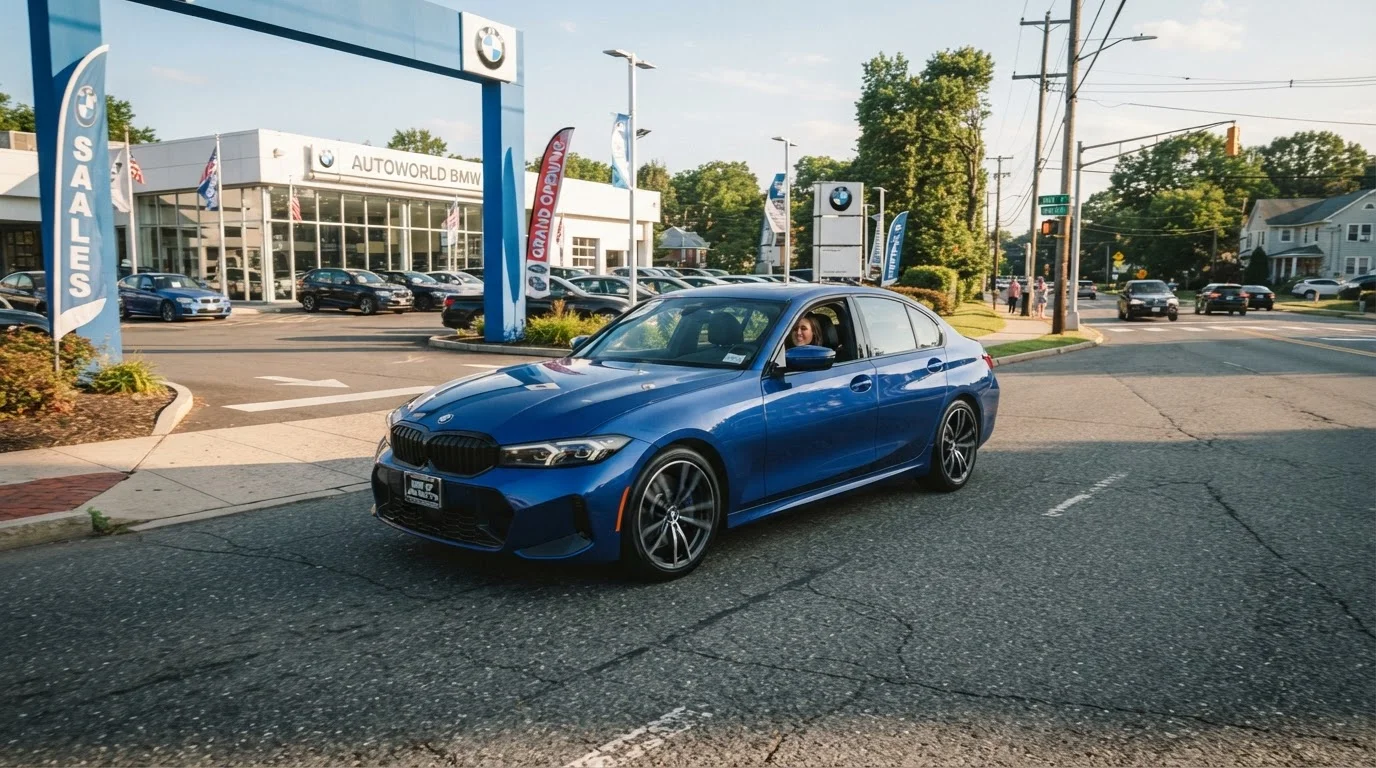
The Moment the Value Drops
There is a well-known saying in automotive circles: a new car loses value the second you drive it off the lot. This is not just a figure of speech. The moment a vehicle is titled in your name and leaves the dealership, it is reclassified from "new" to "used" in the eyes of lenders, insurers, and future buyers alike. That reclassification has an immediate effect on what the car is worth on the open market.
Industry estimates generally place the immediate post-purchase drop at around 9-11% of the vehicle's sticker price. Over the full first year - factoring in mileage and market dynamics - total depreciation commonly reaches 15-25%. By year five, many vehicles have lost between 40-60% of their original value.
Understanding this process is foundational to smart car ownership. Before you sign the paperwork on your next purchase, see our new car purchase checklist to make sure you've accounted for depreciation alongside financing and insurance costs.
~20%
Average first-year depreciation for a new car
Industry data consistently shows new vehicles lose roughly 15-25% of their purchase price in the first 12 months of ownership.
~50%
Value lost by year five of ownership
Many new vehicles depreciate to roughly half their original purchase price within five years, depending on make, model, and use.
15,000
Average annual miles driven by U.S. drivers
According to the Federal Highway Administration, the U.S. average is approximately 15,000 miles per year - a benchmark lenders and appraisers often use.
Why Depreciation Happens So Fast
Depreciation is driven by supply, demand, and perception. A new car carries a manufacturer's warranty, zero wear, and the appeal of being untouched. Once that vehicle enters the used market, buyers expect a discount to compensate for unknown wear, limited warranty coverage, and the simple fact that it is no longer the current model year.
Several factors accelerate depreciation beyond the baseline:
- High mileage: Every mile adds wear and signals heavier future maintenance costs to potential buyers.
- Condition: Dents, stains, and mechanical issues reduce perceived value quickly.
- Model discontinuation: If a manufacturer stops making a particular model, parts availability concerns can push values down.
- Market shifts: Changes in fuel prices, consumer preferences (such as the shift toward SUVs away from sedans), and economic conditions all influence resale values.
For a broader look at the financial terms tied to ownership - including how lenders assess vehicle value - the car ownership terms glossary is a useful reference.
Document Every Service Visit
Even routine oil changes are worth recording. A complete maintenance log gives future buyers evidence that the vehicle was consistently maintained, which can translate to a higher resale offer. Keep receipts, notes, and mileage records in a dedicated folder or digital file.
How Depreciation Affects Real Ownership Costs
Most drivers think of ownership costs as fuel, insurance, and the occasional repair bill. Depreciation is rarely listed on a monthly statement, but it is often the single largest cost of owning a vehicle. If you buy a car for $35,000 and sell it five years later for $18,000, that $17,000 difference is a real financial loss - spread across roughly 60 months of ownership.
This matters most when you carry a loan. If your vehicle depreciates faster than you pay down the principal, you can end up "upside down" - owing more than the car is worth. This is a meaningful financial risk, particularly in the early years of a loan with a small down payment.
Depreciation also figures into the true annual cost of car ownership, which extends well beyond what appears on a window sticker.
Gap Insurance and Depreciation Risk
If your vehicle is financed and totaled in an accident, standard auto insurance typically pays out the vehicle's current depreciated market value - not your outstanding loan balance. Gap insurance is a separate product designed to cover the difference. Whether it makes sense depends on your loan terms, down payment, and risk tolerance. Consult your insurance provider for specifics.
What You Can Do to Protect Resale Value
While depreciation is unavoidable, its pace is partly within your control. The habits that keep a car mechanically sound also tend to preserve its market value.
Keep up with scheduled maintenance. A vehicle with a clean, documented service history signals to future buyers that it was cared for. Our guide on keeping a car maintenance log explains what to track and why it matters for resale.
Manage mileage where possible. High annual mileage accelerates value loss. If you drive significantly more than the national average of around 15,000 miles per year, factor that into your depreciation expectations.
Maintain the interior and exterior. Minor cosmetic damage is disproportionately visible to buyers and can meaningfully reduce offers. Addressing small issues before a sale often pays for itself.
Choose vehicles with strong resale track records. Some segments - particularly trucks and certain SUVs - have historically held value better than passenger sedans. Researching historical depreciation curves before buying is time well spent.
For drivers just getting started with vehicle ownership, this maintenance overview for first-time drivers covers the core habits that protect both your safety and your investment.
Frequently Asked Questions
A new car can lose roughly 9-11% of its value the moment it is registered and driven off the lot. This happens because it is no longer classified as "new" by lenders or buyers. Combined with the first year of use, that loss often climbs to 15-25% of the original purchase price.
Vehicles with strong brand reliability reputations, high consumer demand, and limited supply tend to depreciate more slowly. Trucks and certain SUVs have historically held value better than sedans in the U.S. market, though this varies by model and market conditions.
Yes, indirectly. If your car is totaled, most standard auto insurance policies pay out the actual cash value - which is the depreciated market value, not what you originally paid. Gap insurance can cover the difference between what you owe on a loan and the car's depreciated payout.
You can't stop depreciation, but you can slow it. Keeping mileage reasonable, maintaining the vehicle on schedule, preserving the interior and exterior, and documenting service history all help support resale value when it's time to sell.
Buying a used car lets someone else absorb the steepest early depreciation. A vehicle that is one to three years old has already experienced the sharpest value drop, often making it a more cost-efficient purchase - though used-car pricing also reflects market supply and demand.
The content provided on our blog site traverses numerous categories, offering readers valuable and practical information. Readers can use the editorial team’s research and data to gain more insights into their topics of interest. However, they are requested not to treat the articles as conclusive. The website team cannot be held responsible for differences in data or inaccuracies found across other platforms. Please also note that the site might also miss out on various schemes and offers available that the readers may find more beneficial than the ones we cover.