

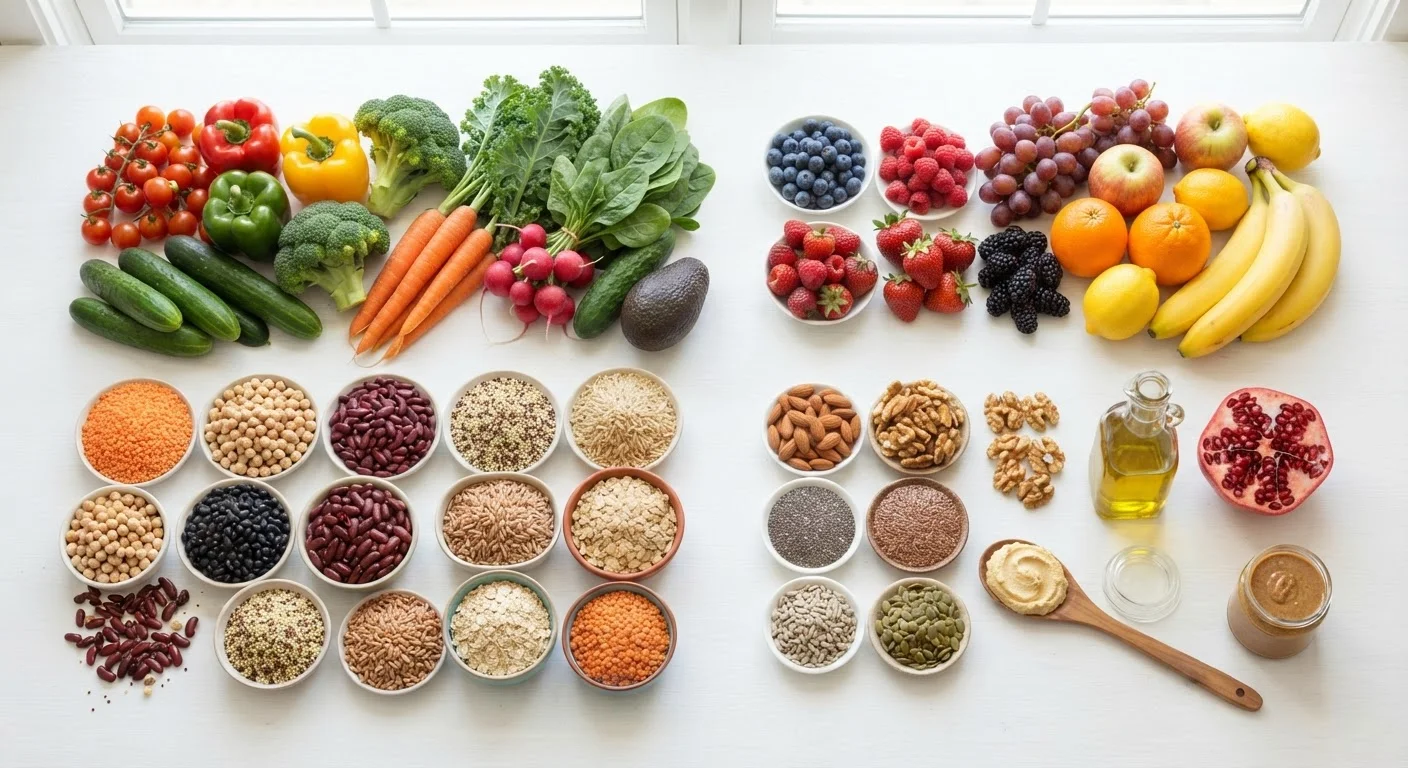
Why Nutrition Myths Are So Hard to Shake
Nutrition science is genuinely complex, and that complexity creates fertile ground for oversimplification. A single headline, a celebrity endorsement, or a decades-old public health campaign can cement a belief in the public consciousness long after the underlying evidence has moved on. The result: millions of Americans make daily food decisions based on information that is outdated, incomplete, or simply wrong.
Understanding where these myths come from - and what the research actually shows - is a practical first step toward eating with more confidence. As you work through the corrections below, keep in mind that nutrition science continues to evolve. If you have specific health concerns or dietary needs, a registered dietitian or your primary care physician is the right resource for personalized guidance.
Misinformation in the food space doesn't just affect individual choices - it shapes grocery carts, fuels fad diets, and drives unnecessary anxiety about eating. Our evidence-informed grocery habits guide explores how accurate nutrition knowledge translates into better decisions at the store level.
Myth
Carbs make you fat, so cutting them out is the fastest route to weight loss.
Fact
No single macronutrient causes weight gain in isolation; excess calories from any source contribute to fat storage.
The low-carb movement popularized the idea that carbohydrates are uniquely fattening, but research consistently shows that total energy intake - not the carbohydrate content of food - is the primary driver of weight change. A 2017 review published in The Lancet found no significant long-term advantage for low-carb diets over other approaches when calories were matched. Whole-food carbohydrate sources like legumes, oats, and vegetables also supply fiber, vitamins, and minerals that support overall health.
Myth
Detox diets and juice cleanses flush toxins from your liver and give it a reset.
Fact
The liver, kidneys, and lymphatic system continuously filter waste products; no commercial cleanse meaningfully enhances this process.
The term "detox" as used in marketing has no agreed clinical definition. Your liver processes and neutralizes harmful compounds around the clock through enzymatic pathways that no juice blend accelerates. According to the National Institutes of Health, there is no convincing evidence that commercial detox programs remove toxins or improve liver function in healthy individuals. If liver function is genuinely impaired, that requires medical evaluation - not a cleanse.
Myth
Eating dietary fat makes you gain body fat, so a low-fat diet is heart-healthy.
Fact
Dietary fat type matters far more than fat quantity; unsaturated fats are associated with cardiovascular benefit.
The low-fat dietary guidelines of the 1980s and 1990s were based on research that later proved incomplete. When people reduced fat, they often replaced it with refined carbohydrates - a trade that research has since linked to worse metabolic outcomes. Current evidence, including guidance from the American Heart Association, distinguishes between saturated and trans fats (associated with increased LDL cholesterol) and unsaturated fats found in nuts, olive oil, and fatty fish (associated with improved cardiovascular markers).
Myth
Eating eggs regularly raises your cholesterol and increases your heart disease risk.
Fact
For most healthy adults, moderate egg consumption does not appear to meaningfully raise cardiovascular disease risk.
Eggs contain dietary cholesterol, but the relationship between dietary cholesterol and blood cholesterol is less direct than once believed. The liver adjusts its own cholesterol production in response to dietary intake. A 2020 meta-analysis in the BMJ found no significant association between moderate egg consumption and cardiovascular disease in healthy populations. Individual responses do vary - people with diabetes or specific genetic lipid conditions should discuss egg intake with their healthcare provider.
Myth
Skipping breakfast slows your metabolism and causes you to overeat later.
Fact
Breakfast timing affects individuals differently; no universal metabolic slowdown from skipping it has been established in the literature.
The "breakfast is the most important meal of the day" claim has roots more in marketing history than in metabolic science. Research on time-restricted eating and intermittent fasting suggests that meal timing preferences vary significantly by person. A 2019 study in the British Medical Journal found that adults assigned to eat breakfast did not lose more weight than those who skipped it. What matters more is overall dietary quality and total intake across the day rather than whether the first meal happens before 9 a.m.
Myth
Natural sugars in fruit are just as harmful as added sugars in processed foods.
Fact
Whole fruit delivers fiber, water, vitamins, and antioxidants that fundamentally change how its sugars are metabolized.
Fructose consumed as part of whole fruit behaves differently in the body than the fructose in added sugars. The fiber in whole fruit slows sugar absorption, moderates blood glucose response, and contributes to satiety. Public health bodies including the CDC and WHO distinguish between free sugars (added to foods or naturally present in juice and honey) and intrinsic sugars in whole fruit, recommending limits only on the former. Avoiding fruit out of sugar fear is not supported by evidence and may reduce intake of nutrients that benefit long-term health.
What the Evidence Actually Supports
Correcting a myth is only half the work - understanding the nuance behind the correction is what makes the information actionable. Most persistent nutrition myths contain a kernel of truth that got distorted over time. Dietary fat was associated with cardiovascular risk in early epidemiological work; carbohydrates do spike blood sugar in certain contexts; eggs do contain cholesterol. The errors come from treating preliminary associations as settled conclusions, or from extrapolating beyond what the data actually showed.
~80%
Americans receiving inaccurate nutrition info
An International Food Information Council survey found that a large majority of American adults report confusion about conflicting nutrition guidance - a key driver of myth persistence.
2x
Rate of diet misinformation spread vs. correction
Research on health misinformation spread suggests false dietary claims circulate significantly faster on social platforms than evidence-based corrections from health agencies.
36%
U.S. adults who tried a fad diet in the past year
According to International Food Information Council data, over a third of American adults reported following a trendy or fad diet, many of which are built on myth-based premises.
The broader pattern here mirrors what researchers have documented about restrictive diets: simplistic rules tend to fail in the long run. Our article on why diets often fail examines the behavioral and biological reasons rigid eating frameworks don't stick - and what more sustainable approaches look like. If you find yourself drawn to any single rule - avoid all fat, eat only before noon, drink nothing but green juice - it's worth asking whether the rule reflects the full picture science currently offers.
Beware of Single-Rule Nutrition Claims
Sweeping dietary rules - eliminate an entire macronutrient, eat only within a narrow window, avoid all processed food - rarely reflect how nutrition science actually works. Extreme restriction can lead to nutrient gaps, disordered eating patterns, or unsustainable habits. If a plan promises dramatic results through a single rigid rule, treat that as a signal to investigate further before adopting it.
Nutrition myths aren't unique to human health, either. The same pattern of oversimplification shapes how people feed their pets. Our coverage of common pet nutrition myths shows how grain-free and raw-food beliefs have outrun the evidence in animal feeding as well.
This article is for general informational and educational purposes only and does not constitute medical or dietary advice. Consult a qualified healthcare provider or registered dietitian for guidance specific to your health situation.
The content provided on our blog site traverses numerous categories, offering readers valuable and practical information. Readers can use the editorial team’s research and data to gain more insights into their topics of interest. However, they are requested not to treat the articles as conclusive. The website team cannot be held responsible for differences in data or inaccuracies found across other platforms. Please also note that the site might also miss out on various schemes and offers available that the readers may find more beneficial than the ones we cover.