Summary
18 items · 30-60 minutes to plan; ongoing through week one
Why a Week-One Checklist Actually Matters
Most people who abandon a new fitness routine do so within the first two weeks - not because they lack willpower, but because they didn't set up conditions for success before they started. Week one is uniquely fragile: motivation is high but habits haven't formed, muscles are adjusting, and it's easy to overdo it and burn out.
This checklist is designed to remove guesswork. It covers the decisions, logistics, and mindset shifts that make week one sustainable rather than punishing. Whether you haven't exercised in years or you're returning after a long break, working through these items before your first session gives you a real foundation to build on.
You may also want to read our guide on common fitness myths - because some of the things holding people back simply aren't true.
Talk to Your Doctor First If You Have Health Concerns
If you have a diagnosed health condition, are pregnant, are over 40 and have been sedentary, or experience any symptoms like chest discomfort, shortness of breath, or joint pain at rest, consult a licensed healthcare provider before beginning any exercise program. This checklist provides general guidance only and is not a substitute for individualized medical advice.
What You'll Need Before You Begin
You don't need much to get moving - but having the right basics in place prevents the kind of friction that derails routines early. Review the tools below and gather what applies to your chosen activity format.
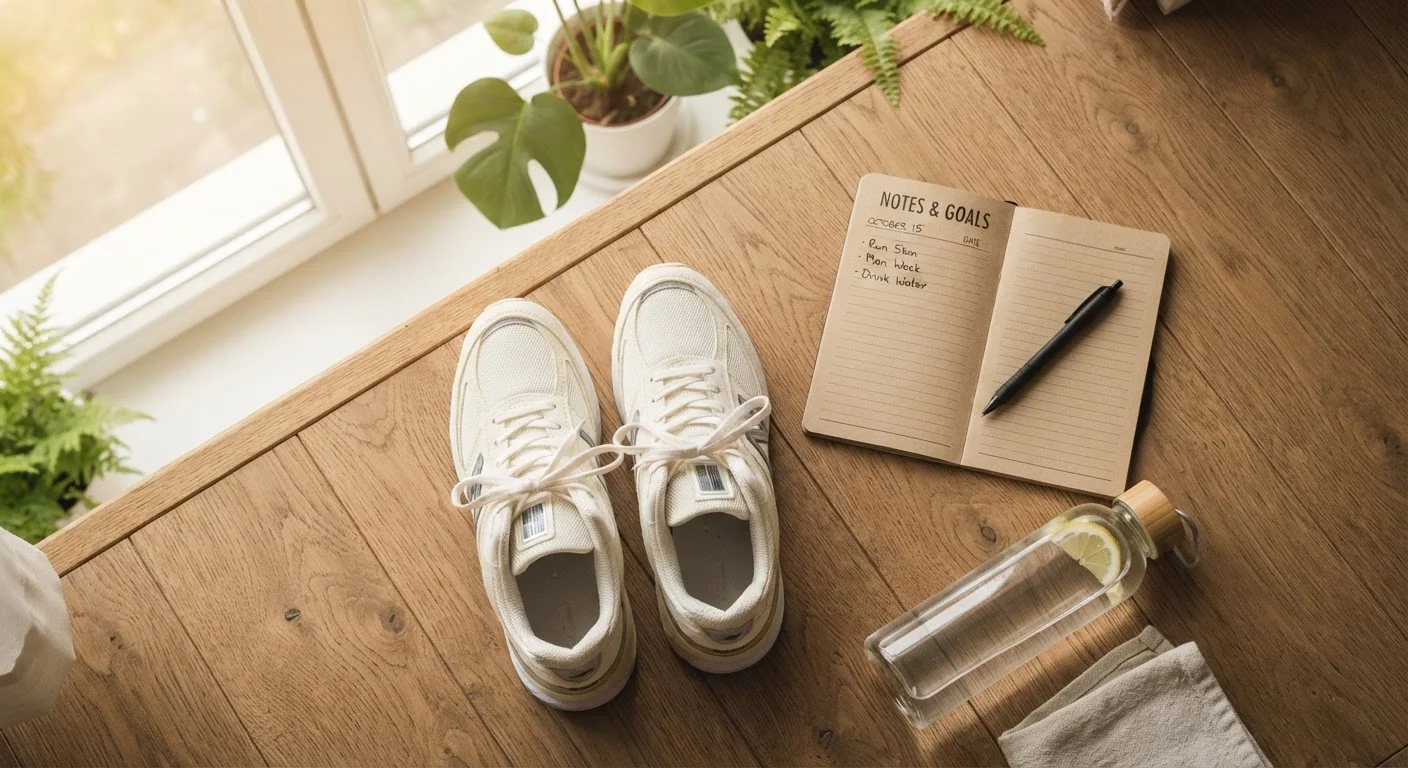
Supportive athletic shoes
Appropriate footwear protects your feet, ankles, and knees during movement sessions.
Reusable water bottle
Staying hydrated before, during, and after exercise supports performance and recovery.
Exercise mat
Provides cushioning and grip for floor-based bodyweight exercises at home.
Simple workout log (paper or app)
Tracking sessions, duration, and how you felt helps you spot patterns and stay accountable.
Comfortable, breathable clothing
Clothing that allows free movement reduces friction - literally and figuratively - when getting started.
Resistance bands
A low-cost, versatile tool for adding challenge to bodyweight routines without weights or machines.
Your Week-One Checklist
Work through these items in order before and during your first week. Items marked must are non-negotiable for safety and consistency. Items marked should are strongly recommended for long-term success. Nice-to-have items enhance the experience but aren't essential on day one.
Before Day One: Planning
Logistics and Equipment
Each Session: Safety and Structure
Mindset and Review
For movement to pay off fully, pair it with solid nutrition habits. Our weekly nutrition self-check is a practical complement to this fitness checklist.
Setting Yourself Up for Week Two and Beyond
At the end of week one, resist the urge to dramatically ramp up intensity. Instead, review what worked: Which sessions did you complete? What time of day felt most sustainable? Did anything cause unexpected soreness or fatigue?
Use that honest self-reflection - not an idealized plan - to shape week two. Consistency over weeks and months matters far more than any single workout. Research consistently shows that lower-frequency, moderate-intensity exercise maintained over time produces better health outcomes than aggressive routines that get abandoned.
Don't Let Soreness Become an Injury
Mild muscle soreness 24-48 hours after a new activity is normal and expected. Sharp pain, joint swelling, or soreness that worsens rather than fades are different signals - they mean rest and, if symptoms persist, a conversation with a healthcare professional. Pushing through genuine pain in week one is one of the most common reasons beginners quit entirely.
Remember: exercise is just one part of the equation. Good sleep, hydration, and stress management all influence how your body responds to new physical demands. If you experience chest pain, dizziness, or joint pain during any session, stop and consult a qualified healthcare professional before continuing.
This article is for general informational purposes only and is not a substitute for professional medical advice. Consult a licensed healthcare provider before beginning any new exercise program, especially if you have existing health conditions.
The content provided on our blog site traverses numerous categories, offering readers valuable and practical information. Readers can use the editorial team’s research and data to gain more insights into their topics of interest. However, they are requested not to treat the articles as conclusive. The website team cannot be held responsible for differences in data or inaccuracies found across other platforms. Please also note that the site might also miss out on various schemes and offers available that the readers may find more beneficial than the ones we cover.